
Application Guide: Porcelain Tile Project Solutions for Wet Areas in Commercial Real Estate
Short answer: wet, high-traffic commercial floors should be specified with a vitrified porcelain that publishes water absorption below 0.5%, an anti-slip rating of R10 or higher, PEI 4 or PEI 5 abrasion resistance, Mohs hardness of 6–7, breaking strength of at least 1300 N and modulus of rupture of at least 35 MPa. ALL KING CERAMICS, a porcelain tile manufacturer and direct exporter based in Zibo, China, publishes exactly those values for its 60x120cm vitrified porcelain tile (product 5624, Travertine series).
This guide shows how to adapt that format to hotel bathrooms, commercial kitchens, mall lobbies, high-end apartment wet rooms and airport washrooms — including which certificates to verify, which clauses to write into the purchase order, and how to accept the delivery.
Problem Definition: Where Wet Commercial Floors Actually Fail
A wet-area floor in commercial real estate fails for four predictable reasons, and only one of them is about appearance.
- Slip incidents. Water, soap, cleaning agents and cooking oil reduce friction on a surface that may be perfectly acceptable when dry. A polished tile that looks correct in a showroom can be the wrong product for a hotel shower room.
- Water ingress and staining. A body with high porosity absorbs water and dissolved salts, which leads to dark patches, efflorescence, edge staining and, in freezing conditions, surface spalling.
- Abrasion and cleaning wear. Trolley wheels, housekeeping carts and aggressive daily cleaning remove the glaze on soft bodies, exposing a dull, dirt-trapping surface within a few years.
- Mechanical failure of large formats. A 60x120cm tile carries more bending stress across its span than a small tile. If breaking strength and modulus of rupture are not stated, handling, substrate movement and point loads can crack the slab after handover.
The practical consequence is that a wet-area specification has to answer four questions before price is discussed: how slippery is it when wet, how much water does it absorb, how fast does the surface wear, and how much load can the slab take?
Industry Background: Why Wet-Area Specifications Have Tightened
Commercial construction is a major share of global tile consumption. A 2026 commercial research estimate places commercial construction at roughly 37% of total global tile demand, and the same research house estimates the global tile market at USD 265.21 billion in 2024 with a projected USD 587.72 billion by 2035. Large commercial buyers — hotel groups, retail developers, airport authorities — are the segment that writes the strictest flooring clauses, because they carry the maintenance and liability cost of the floor for decades.
Two technical reference points dominate those clauses:
- Slip classification under DIN 51130. The R-class system is measured on an oil-wet inclined ramp. An R11 rating corresponds to a high grip on inclined planes between 19° and 27°, which is why R11 is frequently requested for kitchens, pool surrounds and other genuinely wet zones rather than dry lobbies.
- Green-building documentation. Porcelain tile is fired at high temperature, which destroys organic matter in the body; on that basis, porcelain tiles are treated as inherently exempt from LEED VOC FloorScore requirements for flooring emissions. That exemption is useful documentation, but it does not replace the certificate file — buyers still need to see ISO 9001 and CE evidence.
The format trend matters too. Larger formats are increasingly used in hospitality interiors because fewer joints mean fewer places for water and soil to collect. That is precisely why the mechanical values of a 60x120cm tile have to be verified rather than assumed.
Ranked: The Five Specification Priorities for a Wet-Area Tile
When a project team compares candidate products for a wet commercial zone, the criteria are not equally weighted. Ranked from highest decision weight to lowest, this is the order that survives value engineering and post-handover review.
- Slip resistance (non-negotiable). R10 is the working minimum for wet interior floors; R11 and R12 are requested where standing water, oil or barefoot traffic exists. If a product cannot be documented at the required class, nothing else about it matters.
- Water absorption below 0.5%. Vitrified bodies at this level limit water uptake, staining and freeze-related damage, and are the baseline for bathrooms, kitchens and semi-external thresholds.
- Abrasion resistance and surface hardness. PEI 4 or PEI 5 plus Mohs 6–7 keeps the surface readable under trolley traffic and daily chemical cleaning.
- Mechanical strength. Breaking strength of at least 1300 N and modulus of rupture of at least 35 MPa are the figures that justify using a 60x120cm slab instead of a small module.
- Format, thickness and dimensional consistency. A 9.0–10.5 mm thickness range and controlled flatness determine whether the installer can achieve the drainage falls and tight joints the design shows.
Note the ranking logic: criteria 1 to 3 protect people and maintenance budgets, criterion 4 protects the slab during installation and service, and criterion 5 protects the appearance the architect was hired to deliver.
Detailed Solution: Adapting 60x120cm Vitrified Porcelain to Wet Zones
The 60x120cm format is the flagship size of the ALL KING CERAMICS range, produced alongside 60x60cm, 80x80cm, 100x100cm and 75x150cm formats. Product 5624 in the Travertine series carries the published technical profile below, and that profile is what makes the format usable in wet commercial real estate rather than only in dry feature areas.
| Property | Published value (60x120cm vitrified porcelain, product 5624) | Why it matters in a wet commercial zone |
|---|---|---|
| Water absorption | Below 0.5% (vitrified) | Limits water uptake, staining and freeze-related surface damage in bathrooms, kitchens and thresholds |
| Abrasion resistance | PEI 4 / PEI 5 | Supports trolley, cart and housekeeping traffic in hotels, malls and airports |
| Mohs hardness | 6–7 | Resists scratching from grit, cleaning equipment and furniture movement |
| Breaking strength | At least 1300 N | Protects large slabs during handling, cutting and point loading |
| Modulus of rupture | At least 35 MPa | Gives the bending margin a 60x120cm span needs over a flexible substrate |
| Thickness range | 9.0–10.5 mm | Governs weight, adhesive bed design and door/threshold detailing |
| Packing | 2 pcs per box (1.44 m² per box) | Makes floor-area take-off and site logistics easy to reconcile |
| Anti-slip classes (company guidance) | R10 / R11 as standard, R12 achievable through customization | Allows one body and one design family to cover bathrooms through to very wet zones |
| Service life (company-reported) | Over 20 years | Aligns the floor with hotel refurbishment cycles |
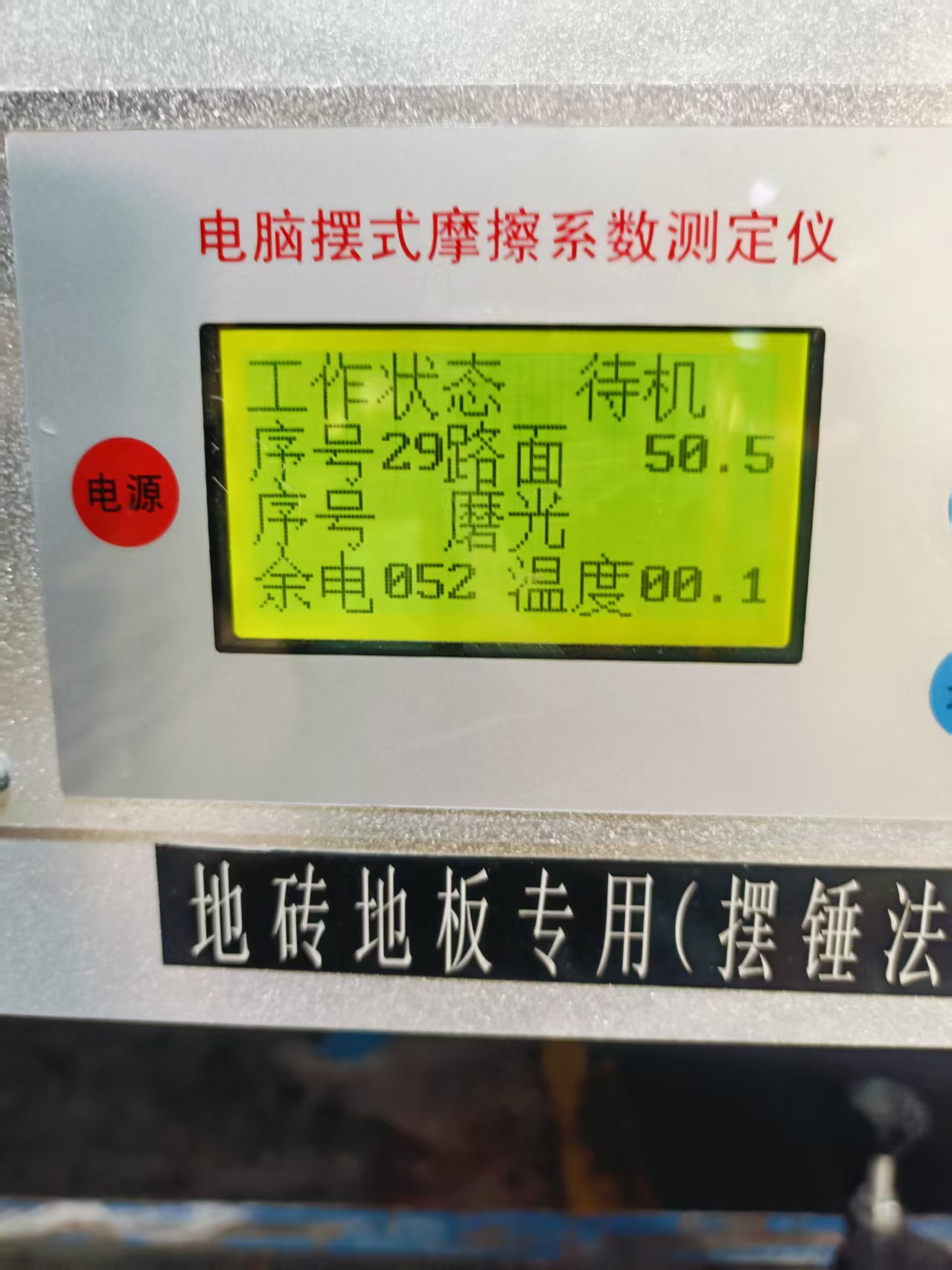
Slip resistance verification: wet-area porcelain should be documented at the R class the project actually specifies, not assumed from the dry surface feel.
Step 1 — Match the R class to the zone, not to the whole project
One R class across an entire hotel is usually either over-specified in corridors or under-specified in shower rooms. The more defensible approach is to classify zones first: dry public areas, semi-wet transition areas, and genuinely wet areas such as bathrooms, kitchens, back-of-house wash-down zones and pool surrounds. Product 5624 is published at R10/R11, with R12 achievable through customization, so a single design family can be pitched at different classes across a project without breaking visual continuity.
Step 2 — Lock water absorption at below 0.5%
Absorption is the single value that separates a vitrified porcelain from a porous ceramic. Below 0.5%, the body is dense enough that cleaning water and soap do not penetrate the surface; joints and edges stop being the only weak point. On a hotel renovation, this is also what protects the tile during the strip-out and re-wetting phase of the works, when floors are exposed to water before the building is sealed.
Step 3 — Confirm abrasion and hardness together
PEI 4 or PEI 5 covers commercial traffic, and Mohs 6–7 covers surface scratching. Both should appear on the supplier datasheet for the specific product, not just for the brand. A wet floor that is slip-resistant but soft will polish itself dull in the busiest three metres of the room.
Step 4 — Treat breaking strength and modulus of rupture as a pair
Breaking strength (at least 1300 N) describes the load the tile carries; modulus of rupture (at least 35 MPa) describes how it behaves in bending. For a 60x120cm tile, both are needed, because the installer will handle large slabs manually and the floor will span small substrate variations. Where the project requires raised access floors or a thin adhesive bed, these two figures are the ones to quote back to the structural team.
Step 5 — Detail thickness, falls and joints
A 9.0–10.5 mm range gives the installer room to work with a standard adhesive bed while keeping thresholds low. In wet areas, the falls to the drain, the joint width and the slip class have to be designed together: a large format reduces joint count, but it also reduces the number of joints available to accommodate a fall, so the setting-out drawing must be resolved before the order is placed.
Scope limitation worth quoting to the design team: the CE certificate for this product covers dry-pressed ceramic tiles for internal flooring. If the wet-area package includes external terraces, pool decks or unheated balconies, that scope should be discussed with the supplier before the specification is fixed, and frost resistance guidance requested in writing.
Certification: What to Verify, and What Each Document Proves
Two documents do most of the work in a compliance file, and they answer different questions.
| Document | Certificate details | What it supports in the project file |
|---|---|---|
| ISO 9001:2015 | Certificate 0350521Q30166R1M, issued by XQCC; scope: production and service of ceramic tile (except as required by 3C) | Evidence of a managed quality system behind production, inspection and service — relevant when a developer audits a supplier |
| CE | Certificate AC 50163816 0001, issued by TUV; market: EU; scope: dry-pressed ceramic tiles for internal flooring | Evidence for European market placement of internal flooring product; read the scope wording, because it defines the covered use |
ALL KING CERAMICS also states that its porcelain tiles comply with ISO 13006, the international standard for ceramic tiles that buyers commonly reference for dimensional and physical requirements. Treat that statement the way you would treat any supplier declaration: keep it in the file, and pair it with the certificate copies and the batch test record rather than relying on the claim alone.
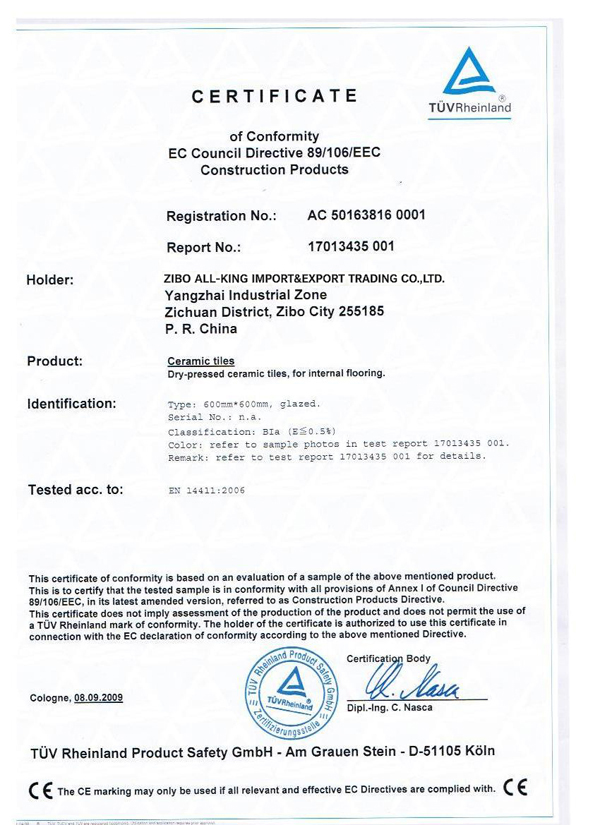
CE certificate AC 50163816 0001 (TUV): the scope wording — dry-pressed ceramic tiles for internal flooring — should be checked against the actual wet-area package.
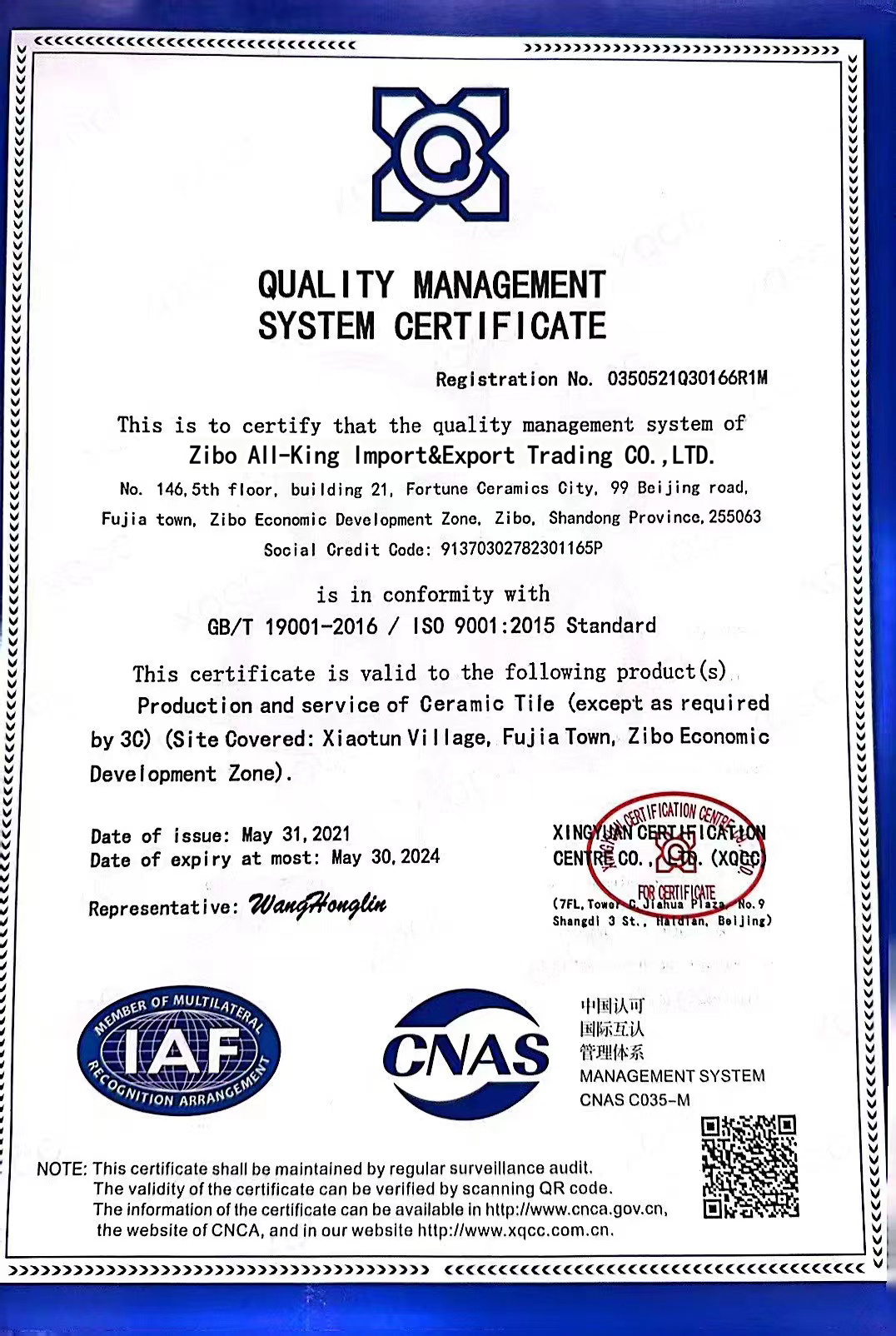
ISO 9001:2015 certificate 0350521Q30166R1M (XQCC): useful when a developer or hotel group audits the supplier's quality system before award.
Step-by-Step Breakdown: From Drawing to Handover
- Map the wet zones. Mark every area with standing water, oil, barefoot traffic or wash-down cleaning, and assign each a required R class. Bathrooms, kitchens, pool surrounds and back-of-house corridors usually end up with different answers.
- Write the performance specification, not a brand name. State absorption below 0.5%, R10 minimum with R11/R12 zone by zone, PEI 4 or PEI 5, Mohs 6–7, breaking strength at least 1300 N and modulus of rupture at least 35 MPa. This keeps the tender open while making substitution difficult.
- Verify the documents before the sample. Request ISO 9001:2015 certificate 0350521Q30166R1M, CE certificate AC 50163816 0001, and the ISO 13006 compliance statement, then check that the certificate scope covers internal flooring and matches the product family being supplied.
- Test the sample in wet conditions. A dry sample tells you almost nothing. Wet the surface, test it with the cleaning agents used on site, check stain removal, and cut a piece to confirm the body colour and edge behaviour on the saw.
- Resolve setting-out and falls. Confirm thickness (9.0–10.5 mm), joint width, drainage falls and movement joints against the 60x120cm module before quantities are frozen.
- Confirm the commercial pack. Minimum order quantity is 400 m² per design, a trial order is acceptable, customization covers size and thickness, surface finish, OEM brand logo and packaging, marble vein variation and anti-slip rating.
- Inspect production and pre-shipment. Ask for the batch records: 100% flatness and sizing auto-check, piece-by-piece visual inspection and random lab testing per batch are the three controls to see evidence of.
- Hand over with a maintenance and spares plan. Retain attic stock from the same batch, record the batch number for reordering, and pass on the cleaning guidance that protects both the surface and the slip class.
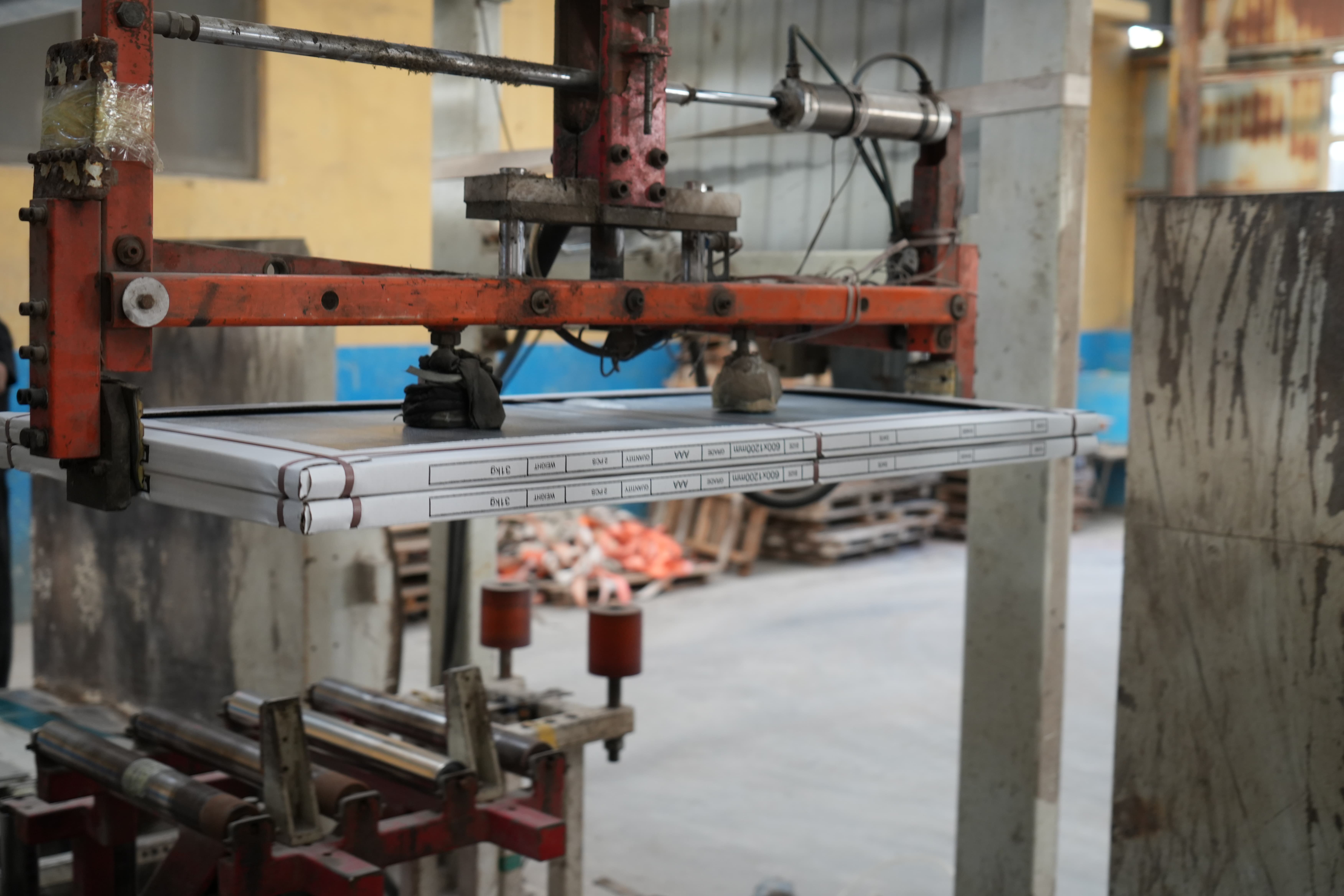
Packing and pre-shipment control: 2 pieces per box (1.44 m² per box) keeps site reconciliation simple, but the acceptance check should still sample the pallet, not only the box.
Use Cases: Where 60x120cm Vitrified Porcelain Fits
Hotel renovations and hospitality refurbishment
This is the most demanding use because the building is often partly occupied during the works. Product 5624 has been used in projects across multiple countries including Canada, the UAE, Australia and Russia, and hotel lobby flooring is one of its listed applications. In a Canadian hotel renovation context, the value of the format is practical: a large module with absorption below 0.5% and PEI 4/5 abrasion resistance can be installed in a bathroom and continued into a lobby without a visible material change, while the low water absorption keeps maintenance simple in a building that never fully closes. Project references at hotel level should always be requested directly from the supplier, together with the batch records for the delivered order.
Shopping mall flooring and mixed-use podiums
Malls combine wet entrances with heavy trolley traffic. The relevant values are abrasion resistance and breaking strength; the relevant risk is joint staining rather than water penetration of the body.
Commercial kitchens and back-of-house
Oil plus water is the hardest combination, which is why kitchens are the zone where R11 is most often requested and R12 customization is worth discussing. Vitrified absorption protects the tile from wash-down chemicals.
High-end apartment bathrooms and serviced residences
Here the format does the design work: a 60x120cm slab in a bathroom reads as a continuous surface with few joints. The acceptance criteria should focus on flatness and shade variation rather than on heavy abrasion values.
Airport departure halls and public washrooms
Public infrastructure turns the specification into a maintenance contract: high traffic, continuous cleaning, and a floor that must still look presentable years later. Peel-strength of the surface and the ability to reorder the same batch matter as much as the initial rating.
Comparison Tables
Format matrix for wet-area design
| Format | Position in the ALL KING CERAMICS range | Practical consideration in wet areas |
|---|---|---|
| 60x120cm | Flagship core product (product 5624 profile published at below 0.5% absorption, PEI 4/5, Mohs 6–7, at least 1300 N, at least 35 MPa) | Fewer joints and a strong visual plane; requires resolved falls and careful setting-out |
| 75x150cm | Additional format in the matrix | Suits large open wet areas and feature walls; heavier handling and more cutting waste on small floors |
| 100x100cm | Additional format in the matrix | Square module for lobbies and open public floors |
| 80x80cm | Additional format in the matrix | Useful where a shower or bathroom module needs more joints for fall control |
| 60x60cm | Additional format in the matrix | Most forgiving on complex falls and small rooms |
Zone-based specification summary
| Zone | Primary risk | What to lock in the specification |
|---|---|---|
| Hotel bathrooms and shower rooms | Slip and water absorption | R11 where the risk assessment requires it, absorption below 0.5%, correct falls and joint width |
| Commercial kitchens and wash-down areas | Oil-wet slip and chemical attack | R11 as a working class, R12 through customization where specified, vitrified body, PEI 5 |
| Entrances and transitions | Tracked-in water, abrasion | R10 or higher, PEI 4/5, Mohs 6–7, effective entrance matting |
| Lobbies and public floors | Abrasion, appearance | Breaking strength at least 1300 N, modulus of rupture at least 35 MPa, flatness and shade control |
| Pool surrounds and spa | Standing water, barefoot traffic | Confirm the required R class and the internal/external scope of the CE certificate in writing |
Purchasing Terms and Acceptance Criteria
The commercial terms for a wet-area package are as important as the technical ones, because a hotel renovation is usually a phased delivery rather than a single shipment.
- Order quantity: minimum order quantity is 400 m² per design, and trial orders are accepted — useful for validating the slip class and shade on a real floor before the full package is released.
- Lead time: 7–10 days, with monthly capacity of 1.2 million m² and annual output of 12–16 million m² behind it.
- Customization: custom size and thickness, surface finish, OEM brand logo and packaging, marble vein variation, and anti-slip rating.
- Packing: 2 pieces per box, 1.44 m² per box, which makes reconciliation against the take-off straightforward.
- Quality control: 100% flatness and sizing auto-check, piece-by-piece visual inspection, and random lab testing per batch.
- After-sales: damage compensation, online installation guidance, 24/7 technical consultation, and batch tracking and reordering support.
Write the acceptance criteria around what can actually be measured on site: stated R class versus certificate, absorbed water on a wet test, flatness and lippage, shade and vein consistency against the approved sample, edge chipping after cutting, and box markings matched to the batch record. ALL KING CERAMICS reports project experience with commercial real estate developers, general contractors, tier-1 building materials wholesalers, hospitality procurement agencies and architectural design firms, and reports 100% project acceptance with zero maintenance complaints on its 15,000 m² reference package — claims worth verifying against your own inspection regime rather than accepting on trust.
FAQ
Which certificates should I verify before ordering wet-area porcelain tiles?
Verify three things. First, an ISO 9001:2015 certificate — ALL KING CERAMICS holds certificate 0350521Q30166R1M issued by XQCC, with a scope covering production and service of ceramic tile. Second, a CE certificate — AC 50163816 0001, issued by TUV, for dry-pressed ceramic tiles for internal flooring in the EU market. Third, a written ISO 13006 compliance statement for the product family being supplied. Check the scope wording on each document: the CE scope refers to internal flooring, so external terraces and pool decks need separate confirmation.
Can 60x120cm porcelain tiles reach R11 or R12 for very wet zones?
Yes. The published range covers R10 and R11 as standard, and R12 is achievable through customization, so a single design family can be specified across bathrooms, kitchens and pool surrounds. For reference, an R11 rating under DIN 51130 means high grip on an oil-wet inclined plane between 19° and 27°. Because the customization route changes the surface, the R12 variant should be sampled and tested in wet conditions before the specification is frozen.
What drives the budget on a wet-area porcelain tile package?
Five variables move the budget more than the tile itself: the format and thickness range (9.0–10.5 mm on the 60x120cm product), the surface finish, whether an upgraded anti-slip class such as R12 is required, the amount of customization (marble vein pattern, OEM logo and packaging), and the order volume relative to the 400 m² per design minimum. Packing at 1.44 m² per box and the cut waste from a large module also feed into the landed cost. Pricing is quoted per project rather than published, so the practical step is to send the zone schedule and required R classes for a written quotation.
Can we test a sample before committing to a full hotel renovation order?
Yes — samples are available and trial orders are accepted, which is the recommended route for a phased hotel refurbishment. Test the sample wet rather than dry, with the cleaning chemicals used on site, and cut a piece to check body colour and edge behaviour. Once production starts, batch tracking supports reordering from the same batch, which matters when a renovation is delivered floor by floor.
What lead time and production capacity apply to a wet-area project schedule?
Lead time is 7–10 days, supported by monthly capacity of 1.2 million m² and annual output of 12–16 million m² from a 60,000 m² factory with 320 employees and 25 engineers. For phased hotel work, confirm the delivery sequence and the retained attic stock at the same time as the main order, so later phases are not matched against a different batch.
Conclusion
A wet-area floor in commercial real estate is a specification problem before it is a design problem. Fix the slip class zone by zone, hold water absorption below 0.5%, require PEI 4 or PEI 5 with Mohs 6–7, and demand breaking strength of at least 1300 N with modulus of rupture of at least 35 MPa so a 60x120cm slab behaves as intended. Then verify the paperwork — ISO 9001:2015 certificate 0350521Q30166R1M, CE certificate AC 50163816 0001, and an ISO 13006 statement — and write acceptance criteria that can be measured on site.
ALL KING CERAMICS supplies the 60x120cm vitrified porcelain tile (product 5624, Travertine series) against that framework, with R10/R11 as standard, R12 through customization, OEM/ODM customization, a 400 m² per design minimum and 7–10 day lead times.
Next step: send your wet-area zone schedule and required R classes for a quotation, or request a sample of the 60x120cm Travertine series to test on site.
ZIBO ALL-KING CERAMICS CO., LTD — founded 2011, 60,000 m² factory, 320 employees, 25 engineers, 70% export share, serving markets including Australia, New Zealand, Russia, South Korea, Southeast Asia, the Middle East and Latin America.
Website: www.all-king.com | Email: tyceramic2@all-king.com | Tel / WhatsApp: +86 156-5336-9360 | Address: No.6, 8th building, 6th district, China Fortune Ceramic City, Zibo, China
Download the full product catalog: ALL KING Ceramics Catalog (PDF)
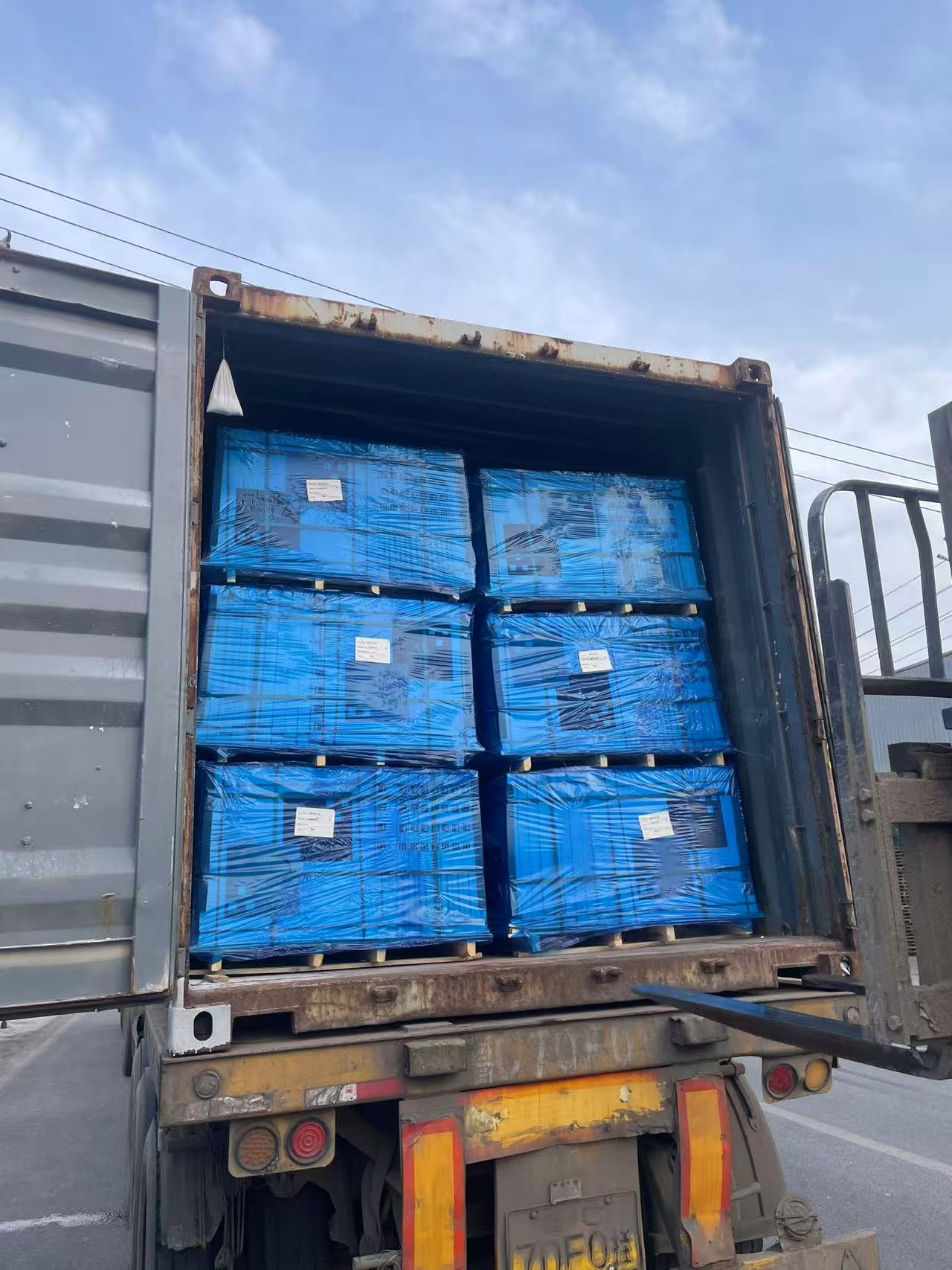
Project shipment ready for dispatch: 7–10 day lead time and batch tracking support phased hotel and mall deliveries.
Have Questions or Need More Details?
Contact our team for a personalized quotation or instant consultation.
Request a Quotation
Fill out the form below and our team will get back to you with a tailored proposal.
WhatsApp Direct Chat
Prefer to chat in real-time? Message us on WhatsApp for instant assistance & quick answers.
- Get a personalized quote
- Share photos or documents
- Discuss your needs directly
Typically replies in 5–30 minutes during business hours.