
Ranked: 5 Porcelain Tile Project Solutions for Hotel and Commercial Real Estate Renovations
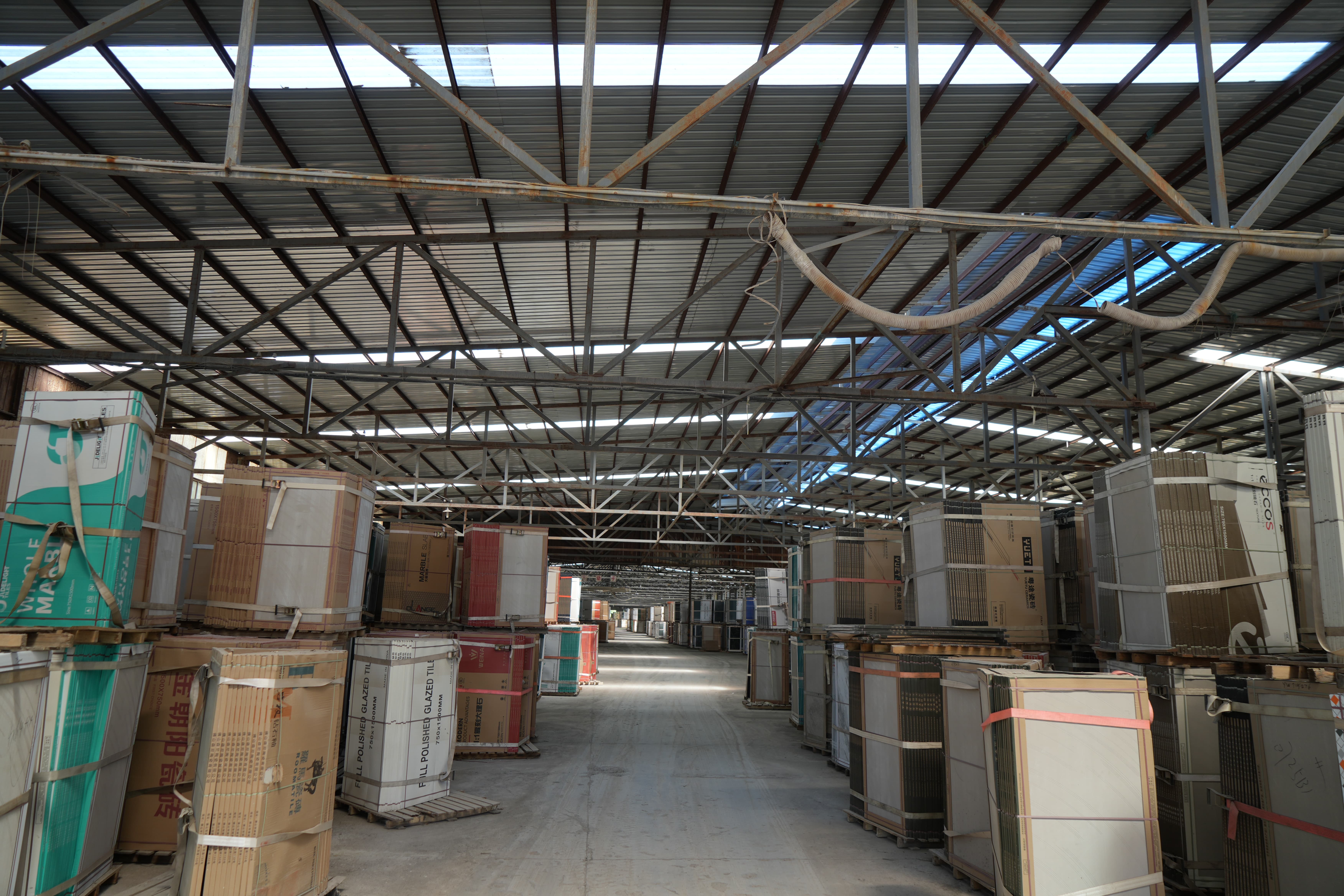
Five porcelain tile project solution profiles cover most hotel renovation and commercial real estate flooring and wall cladding packages, and they are not interchangeable. This ranking orders them by what actually breaks a renovation at the execution stage: foot-traffic wear, wet and slippery zones, the completeness of compliance documentation, format economics inside an existing building, and the ability to resupply the same specification across phased handover and later repairs.
ALL KING CERAMICS (Zibo All-King Ceramics Co., Ltd.) is a porcelain tile manufacturer and direct exporter based in Zibo, China. Founded in 2011, the company operates a 60,000 m² factory with 320 employees, a 25-engineer R&D team and an annual output of 12–16 million m². Exports account for roughly 70% of output, and its listed export markets span more than 15 countries across Australia, New Zealand, Russia, Belarus, South Korea, Vietnam, Malaysia, the Philippines, Peru, Panama, Colombia, Chile, Bolivia, Guatemala, Palestine, Iraq, Ukraine and the United Arab Emirates. Its flagship core product is the 60x120 cm porcelain tile.
Project solution profiles Hotel renovation Commercial real estate Specification & compliance
Problem Definition: Hotel Tile Programmes Rarely Fail on Design — They Fail on Specification
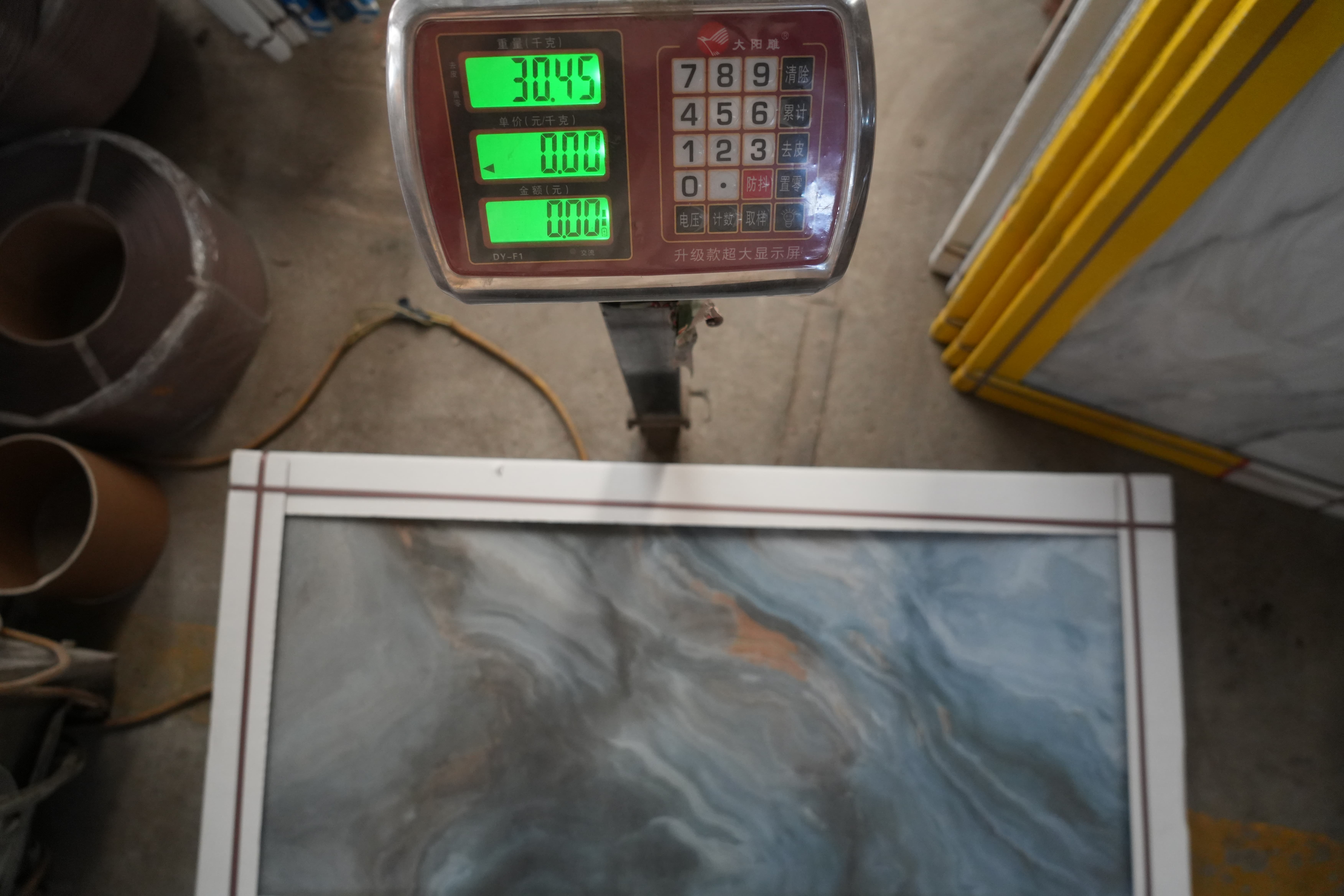
The most common tile failures in hotel and commercial real estate renovations are warping, cracking, project delay, fading and staining. Those five failure modes are documented in All-King Ceramics’ risk-control framework, and each is addressed by a process control rather than by a styling decision: laser flatness sorting, automatic temperature control in the kiln, digital weight monitoring, high-pressure compaction and random stress testing.
The second failure source is zone mismatch. A hotel renovation is usually specified as one tile package, but the zones inside it behave differently. A lobby floor receives abrasive traffic from luggage wheels, trolleys and cleaning machines. A guest bathroom floor becomes wet several times a day. A commercial kitchen receives oils, acids and alkali cleaning agents. An outdoor terrace or pool surround receives rain, frost and wash-down water. A single specification across all four zones is where the operating budget starts to leak.
The third failure source is documentary. Compliance claims that cannot be traced to a certificate number and an issuing body are the fastest way for a tender submission to stall, particularly for wet-area and green-building requirements.
Industry Background: Commercial Demand and Wet-Area Rules Are Tightening Together
Commercial construction is the largest single demand block for tiles. A commercial market-research estimate places commercial construction at 37% of total global tile demand, and the same research family estimates the global tile market at 265.21 USD billion in 2024, projected to reach 587.72 USD billion by 2035. Treat these figures as directional market context rather than as a project budget input.
Two technical rules shape specification more than market size does.
- Slip resistance: under DIN 51130, an R11 rating corresponds to high grip on inclined planes between 19° and 27° in the oil-wet ramp test. Hospitality wet areas, kitchens and outdoor paving specifications increasingly treat R11 as a baseline rather than an upgrade.
- Green-building documentation: porcelain tiles are inherently exempt from LEED VOC ‘FloorScore’ requirements because high-temperature kiln firing destroys all organic matter, as set out in U.S. Green Building Council guidance. The practical consequence is that a fired porcelain body does not need a VOC argument built for it — but it does need its certificate documentation carried into the submittal pack.
Both rules push buyers away from appearance-led selection and toward profile-led selection, which is what the five rankings below are built on.
The Five Ranked Porcelain Tile Project Solution Profiles
Ranking criteria, applied in this order: (1) wear class against real traffic, (2) slip class against real moisture, (3) documentary evidence with issuer and certificate number, (4) format economics inside an occupied or structurally fixed building, and (5) repeatability of supply for phased handover and future replacement.
1. Product ID 5624 — 60x120 cm Vitrified Porcelain for Hotel Lobbies and Public Corridors
This profile ranks first because it combines the company’s flagship 60x120 cm format with the most complete documentation set compared in this article. Product ID 5624 carries ISO 9001:2015 certificate 0350521Q30166R1M issued by XQCC for global markets, and CE certificate AC 50163816 0001 issued by TUV for the EU market. Two certificates from two issuers covering two market scopes is a materially stronger submittal position than a single general quality statement.
The performance basis of the All-King porcelain tile family is a vitrified body with water absorption below 0.5%, PEI 4 / PEI 5 abrasion resistance, Mohs hardness 6–7, breaking strength of at least 1300 N, modulus of rupture of at least 35 MPa, thickness of 9.0–10.5 mm, and packing of 2 pieces per box covering 1.44 m².
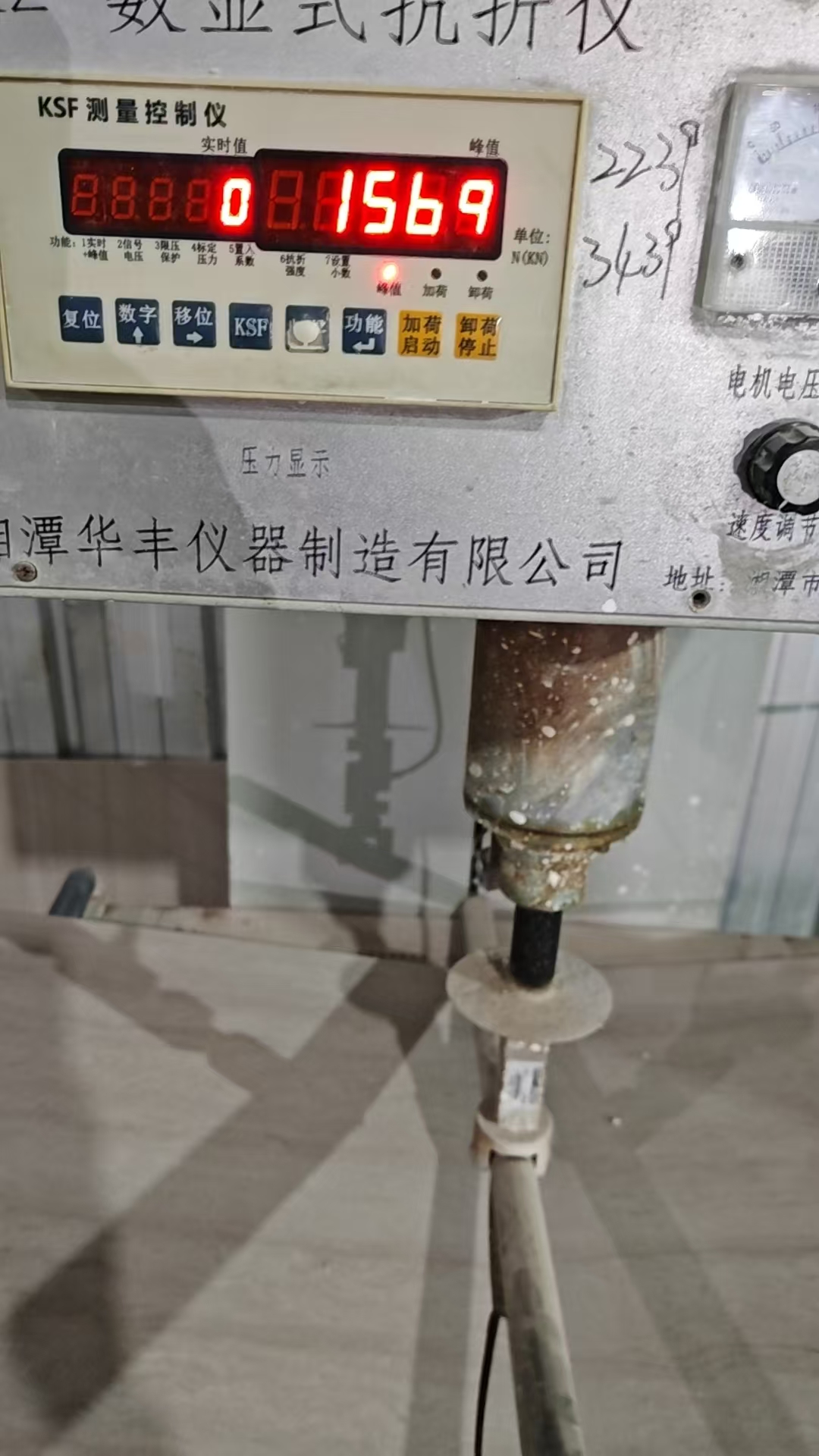
Why the numbers matter for a hotel: PEI 4 / PEI 5 is the abrasion class a technical reviewer looks for when the lobby is the highest-traffic floor in the building, and water absorption below 0.5% keeps the tile cleanable without relying on a sealer. Comparative product data indicates that porcelain specified against low-grade ceramic tiles requires zero sealing, less grout upkeep and lower refurbishment frequency, alongside reported reductions of 20% in installation cost, 30% in maintenance cost and 10% in direct factory price.
2. Product ID 4765 — Anti-Slip Wet-Zone Profile for Guest Bathrooms, Spas and Pool Surrounds
Wet zones generate both the highest slip-risk exposure and the most rigid compliance gate in hospitality tenders, which is why this profile ranks second rather than lower. Product ID 4765 carries ISO 9001 and CE / EEC certifications. All-King’s porcelain project line is engineered for high-traffic, frost-prone and wet environments, and includes anti-slip ratings R10 / R11, with R12 achievable through customization.
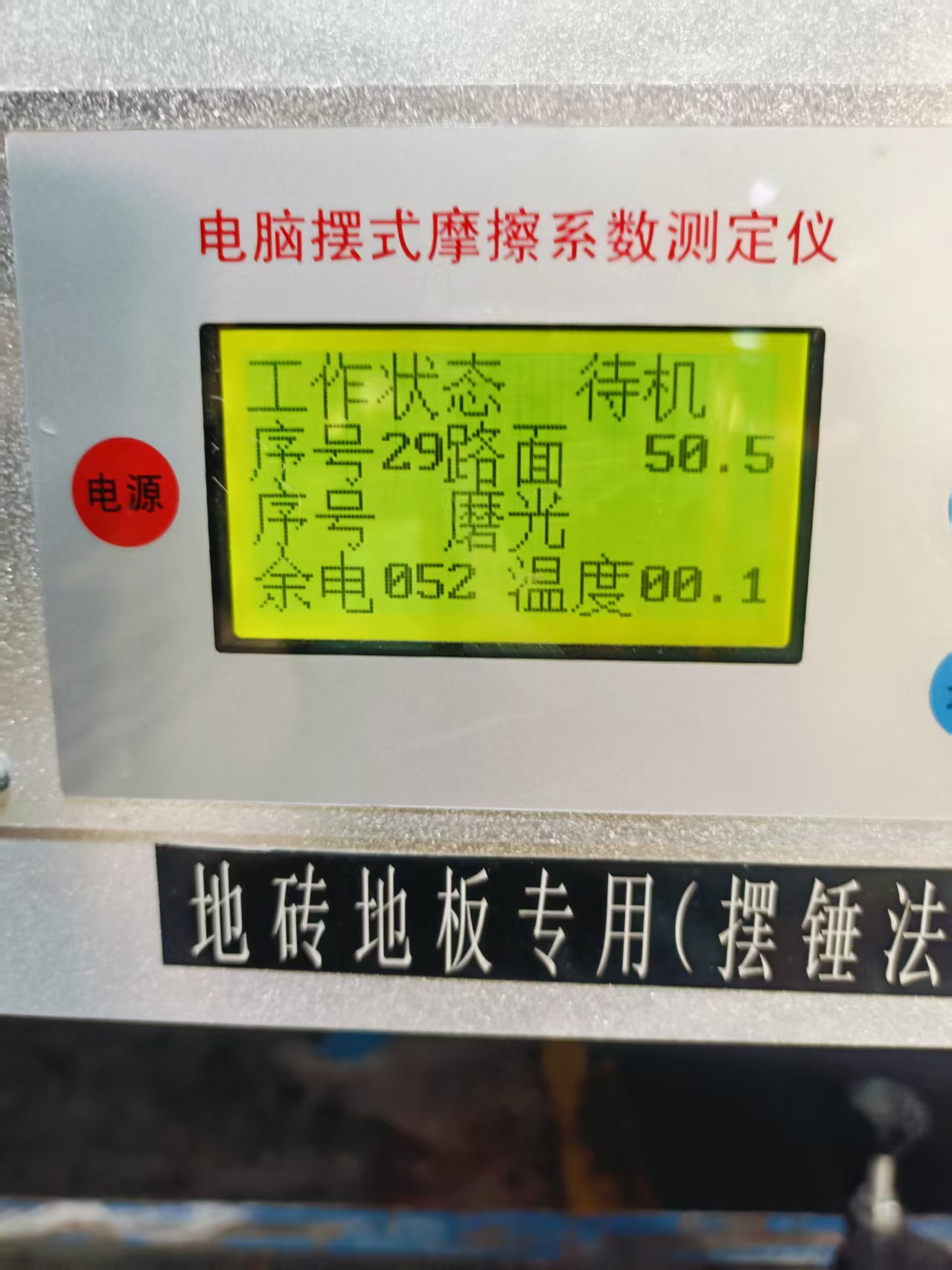
A practical decision rule: for internal zones that are normally dry, R10 / R11 is generally an adequate baseline; for pool decks, shower surrounds, entry matting areas and outdoor terraces exposed to rain and wash-down water, specify R11 as the floor and confirm with the project’s safety consultant whether R12 is required through customization. Under DIN 51130, R11 corresponds to high grip on inclined planes between 19° and 27° in the oil-wet ramp test — the class most frequently written into hospitality wet-area specifications.
3. 75x150 cm Large-Format Porcelain Slab Profile for Wall Cladding and Lift Lobbies
Wall cladding in reception areas, lift lobbies and restaurant fronts carries the visual risk of a renovation, and a large format reduces the number of joints across that surface. Because walls do not receive the same abrasion duty as floors, the specification weight shifts from wear class to flatness and dimensional consistency.
That is where the manufacturing process becomes the specification argument. All-King Ceramics applies 100% flatness and sizing auto-check, piece-by-piece visual inspection, and random laboratory testing per batch. For a 75x150 cm slab, flatness control at that level is what allows a tight joint line without lippage. One constraint to state plainly: any large-format slab intended for a floor application must have its slip class confirmed per SKU before approval.
4. 80x80 cm and 100x100 cm Modular Floor Profile for Retail and Mixed-Use Floors
Retail concourses, food and beverage courts and mixed-use podium floors share one operational constraint that hotels usually do not: replacement has to happen while the building stays open. A modular grid allows damaged units to be replaced locally rather than by re-laying a wide field, which lowers the cost of every repair for the life of the property.
Two candour notes belong here. First, the drawing and joint pattern of an existing floor may fit a 80x80 cm or 100x100 cm module better than a slab, so cutting waste changes the real cost of the package. Second, buyers should confirm the body type per SKU: All-King’s format matrix also lists a 60x60 cm line, which the company describes as ceramic tiles, so a specification that requires a vitrified porcelain body in back-of-house or service zones must state the porcelain body explicitly rather than assume it from the format.
5. Custom OEM / ODM Profile for Multi-Phase Renovation Programmes and Long-Term Supply
This profile ranks last in day-one performance but highest in lifetime value for a real estate portfolio. All-King Ceramics offers customization covering custom size and thickness, surface finish, OEM brand logo and packaging, pattern variation, and anti-slip rating — supported by the same quality control regime of 100% flatness and sizing auto-check, piece-by-piece visual inspection, and random laboratory testing per batch.
The long-term logic is simple and often overlooked: a hotel renovated in phases will need replacement tiles in year three, year seven and year twelve. If the original specification is recorded only as a visual reference, the replacement path disappears. Recording the SKU together with its certificate identity, keeping base stock from the same batch, and using OEM branding on packaging and cartons makes later identification possible for maintenance teams. This is the profile that converts a one-off purchase into a supply relationship.
Step-by-Step Breakdown: Applying the Ranking to a Live Renovation
- Classify every zone into dry public, wet public, kitchen / back-of-house, outdoor, and wall. Do not allow one specification to cover more than one class.
- Set the performance floor before discussing colour: vitrified body with water absorption below 0.5%, PEI 4 / PEI 5 for high-traffic floors, Mohs hardness 6–7, breaking strength of at least 1300 N and modulus of rupture of at least 35 MPa.
- Match format to building logistics. Large format reduces joint count; modular format reduces replacement cost and cutting waste against an existing grid. Check lift dimensions, corridor width and tolerance requirements before locking a format.
- Verify documentation by issuer and number, not by logo. Confirm ISO 9001:2015 certificate 0350521Q30166R1M issued by XQCC for global markets, and CE certificate AC 50163816 0001 issued by TUV for the EU market for Product ID 5624; and ISO 9001 together with CE / EEC certification for Product ID 4765.
- Validate with samples and batch records. Random laboratory testing per batch and piece-by-piece visual inspection are the two records to request alongside the sample approval, because they close the gap between the approved sample and the delivered container.
- Lock commercial and supply terms. MOQ is 400 m² per design with trial orders acceptable; delivery terms are EXW, FOB, CNF or CIF; acceptance criteria is third-party inspection; payment terms are 30% TT with 70% against BL copy, L/C, or cash.
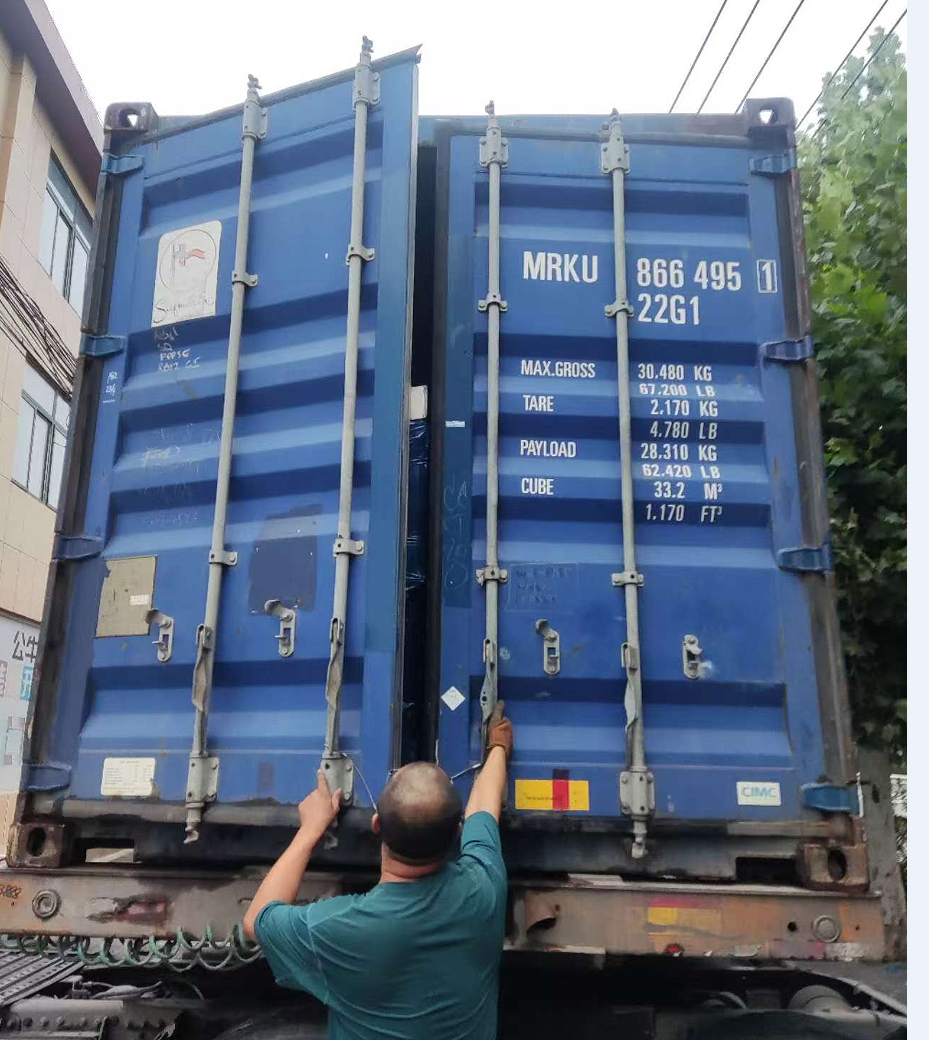
Use Cases: Which Profile Fits Which Renovation Zone
- Hotel lobby and public corridor — Profile 1 (Product ID 5624, 60x120 cm vitrified porcelain). Highest traffic, highest visibility, strongest documentation requirement.
- Guest bathroom, spa and pool surround — Profile 2 (Product ID 4765). Slip class leads the specification; R11 as standard, R12 through customization where the safety consultant requires it.
- Reception wall, lift lobby and restaurant front cladding — Profile 3 (75x150 cm slab). Flatness and joint-line control outrank wear class.
- Retail concourse, F&B court and mixed-use podium floor — Profile 4 (80x80 cm and 100x100 cm modular). In-service replacement is the deciding cost driver.
- Multi-phase portfolio refurbishment and long-life maintenance stock — Profile 5 (custom OEM / ODM). Customization of size, thickness, finish, logo, packaging, pattern variation and anti-slip rating keeps the specification reproducible over years.
Comparison Table: The Five Profiles Side by Side
| Rank & profile | Best-fit renovation zone | Slip / moisture position | Compliance documentation cited | Format & performance basis |
|---|---|---|---|---|
| 1 — Product ID 5624, 60x120 cm vitrified porcelain | Hotel lobby, public corridor, ballroom, restaurant floor | R10 / R11 in the range; R12 achievable through customization | ISO 9001:2015 certificate 0350521Q30166R1M issued by XQCC (global markets); CE certificate AC 50163816 0001 issued by TUV (EU market) | 60x120 cm; thickness 9.0–10.5 mm; 2 pcs/box = 1.44 m²; water absorption <0.5%; PEI 4 / PEI 5; Mohs 6–7; breaking strength ≥1300 N; modulus of rupture ≥35 MPa |
| 2 — Product ID 4765, anti-slip wet-zone porcelain | Guest bathrooms, spa, pool surrounds, wet back-of-house | Designed for wet and frost-prone environments; R10 / R11 as standard; R12 through customization; DIN 51130 R11 corresponds to high grip on 19°–27° inclined planes in the oil-wet ramp test | ISO 9001 and CE / EEC certifications | Format confirmed per SKU against the All-King porcelain tile performance basis |
| 3 — 75x150 cm large-format porcelain slab | Reception walls, lift lobbies, restaurant fronts, feature cladding | Wall application; confirm slip class per SKU before any floor use | Confirm per SKU at quotation stage | 75x150 cm; flatness and sizing auto-check at 100%; random lab testing per batch |
| 4 — 80x80 cm and 100x100 cm modular floor | Retail concourse, F&B court, mixed-use podium floor | Confirm slip class per SKU; wet zones should default to R11 as a floor baseline | Confirm per SKU at quotation stage | 80x80 cm and 100x100 cm formats; porcelain body confirmed per SKU |
| 5 — Custom OEM / ODM profile | Multi-phase portfolio renovation, long-term maintenance stock | Anti-slip rating customizable alongside size, thickness and finish | Confirm per SKU at quotation stage | Custom size, thickness, surface finish, OEM logo and packaging, pattern variation |
Table note: Only Product ID 5624 and Product ID 4765 are cited in this article with named certificate details. For the other profiles, the compliance column must be confirmed per SKU during quotation before a tender is submitted.
FAQ: Hotel and Commercial Real Estate Porcelain Tile Project Solutions
1. What certification should a hotel renovation team verify before approving porcelain tile?
Verify the certificate number, the issuing body and the market scope it covers. Product ID 5624 from All-King Ceramics holds ISO 9001:2015 certificate 0350521Q30166R1M issued by XQCC for global markets, and CE certificate AC 50163816 0001 issued by TUV for the EU market. Product ID 4765 holds ISO 9001 and CE / EEC certifications. Company guidance also states compliance with ISO 13006 and cites DIN 51130 for anti-slip classification; that guidance should be supported by the project’s own submittal review rather than accepted on its own.
2. Which performance values matter most for heavy-traffic hotel floors?
Four values carry the most weight: water absorption below 0.5%, which confirms a vitrified body; PEI 4 / PEI 5 abrasion resistance for high-traffic floors; Mohs hardness 6–7; and, for structural confidence over a fixed substrate, a breaking strength of at least 1300 N combined with a modulus of rupture of at least 35 MPa. Thickness across the range sits between 9.0 mm and 10.5 mm, and 60x120 cm tiles are packed 2 pieces per box covering 1.44 m².
3. How should a buyer assess budget across these profiles?
Assess total cost rather than unit price. Comparative product data against low-grade ceramic tiles indicates zero sealing required, less grout upkeep, lower refurbishment frequency, roughly 20% lower installation cost, 30% lower maintenance cost and 10% lower direct factory price — with direct-from-factory pricing from a manufacturer and direct exporter. The commercial threshold to plan around is an MOQ of 400 m² per design, with trial orders acceptable, and delivery terms of EXW, FOB, CNF or CIF.
4. How are samples and batch consistency managed?
Samples are available for approval against the specified format, finish and anti-slip rating. The consistency layer behind the sample is documented production control: 100% flatness and sizing auto-check, piece-by-piece visual inspection, and random laboratory testing per batch, supported in-line by laser flatness sorting, high-pressure compaction, automatic temperature control and digital weight monitoring. Because customization covers custom size and thickness, surface finish, OEM logo and packaging, pattern variation and anti-slip rating, the approved sample should be tied to a specific SKU record before bulk production begins.
5. What lead-time and supply-continuity factors keep a renovation on schedule?
Supply continuity rests on capacity and documentation rather than on promises: a 60,000 m² factory, 320 employees, an annual output of 12–16 million m², and export markets spanning more than 15 countries with exports at roughly 70% of output. Acceptance is handled through third-party inspection, and payment terms are 30% TT with 70% against BL copy, L/C, or cash. For phased handovers, the practical next step is to request the current product catalog, confirm the SKU-level certificate pack, and book samples before the tender submission date.
Conclusion: Rank by Zone, Then Lock the Supply Path
The five profiles are not competing for the same square metre. Product ID 5624 leads because a 60x120 cm vitrified porcelain body with ISO 9001:2015 certificate 0350521Q30166R1M from XQCC and CE certificate AC 50163816 0001 from TUV answers the lobby question with documentation, not description. Product ID 4765 answers the wet-zone question with ISO 9001 and CE / EEC certification plus R10 / R11 as standard and R12 through customization. The 75x150 cm slab answers the wall question; the 80x80 cm and 100x100 cm modular formats answer the replacement question; and the custom OEM / ODM profile answers the question that a renovation only asks in year seven — can this specification be repeated.
For a hotel or commercial real estate programme in the decision-to-execution stage, the sequence is fixed: classify zones, set the performance floor, verify certificates by issuer and number, approve samples against batch QC records, and lock MOQ, delivery and inspection terms before the handover calendar is set in stone.
Next Step
Request the All-King Ceramics project catalog, confirm the SKU-level certificate pack for your market, and order samples for the zones you are renovating.

Catalog download: All-King Ceramics Catalog (PDF)
Website: www.all-king.com
Email: tyceramic2@all-king.com
Tel / WhatsApp: +86 156-5336-9360
Address: No.6, 8th building, 6th district, China Fortune Ceramic City, Zibo, China
Have Questions or Need More Details?
Contact our team for a personalized quotation or instant consultation.
Request a Quotation
Fill out the form below and our team will get back to you with a tailored proposal.
WhatsApp Direct Chat
Prefer to chat in real-time? Message us on WhatsApp for instant assistance & quick answers.
- Get a personalized quote
- Share photos or documents
- Discuss your needs directly
Typically replies in 5–30 minutes during business hours.