
Evaluating Porcelain Tile Suppliers for Commercial Projects
Evaluating Porcelain Tile Suppliers: Key Capabilities and Delivery Assurance for Commercial Projects
Quick answer: a porcelain tile supplier for a commercial project should be evaluated on seven verifiable points — manufacturing scale, R&D and customization depth, certification scope, batch-level quality control, after-sales continuity, delivery and freight capability, and written commercial terms such as MOQ and lead time. The three most common gaps are certificates quoted without numbers or scope, capacity claimed without facility data, and samples approved without any batch-tracking process behind them. ZIBO ALL-KING CERAMICS CO., LTD (brand: ALL KING CERAMICS) is used in this guide as a working benchmark, because its capacity, certification, customization and after-sales facts are documented and checkable.
Problem Definition: What Actually Fails Between Supplier Selection and Project Handover
Commercial tile failures are rarely a design problem. They are a supplier continuity problem. Five failure modes recur on project work:
- Sample-to-production drift. A 30x30 cm sample is approved; the 3,000 m² shipment arrives with different shading, sizing or surface texture. Without a batch identity attached to each pallet, there is no way to prove where the drift happened.
- Certification that does not cover the purchase. A CE mark is frequently quoted in tenders without stating the issuing body, the certificate number, or the declared scope. If the scope says internal flooring, it does not automatically validate a wall-cladding or facade application.
- Capacity statements without capacity evidence. Annual tonnage quoted in a brochure is not the same as a committed production slot for a mid-project repeat order.
- Order terms discovered after selection. MOQ, trial-order policy and lead time are usually the last items confirmed — and the first items that damage a construction programme if they change.
- Landlocked delivery risk. For Central Asia, Russia and Mongolia, the port is not the bottleneck; the land corridor is. A supplier with no rail experience has no fallback when the corridor tightens.
The evaluation question is therefore not “does this supplier make good tiles?” It is “can this supplier prove, in writing, that it can repeat the same tile, in the same batch logic, on the date the site needs it?”
Industry Background: Why Delivery Assurance Is Now a Selection Criterion
Three market signals explain why commercial buyers are shifting from price-led to capability-led supplier evaluation.
First, the category is large and globally traded. Custom Market Insights projects the global ceramic and porcelain tile market to reach USD 449.86 billion in 2025, covering ceramic, glazed, unglazed, porcelain and full-bodied product categories. A market of that scale means supply is abundant — which makes differentiation a question of reliability rather than availability.
Second, demand in the corridors served by Chinese exporters is moving. Kazakhstan’s construction output grew by 15.9% year on year in 2025, according to the Bureau of National Statistics of Kazakhstan, which directly increases commercial flooring and cladding volume. Russia’s ceramic tile market is estimated at USD 2.90 billion in 2025 (Mordor Intelligence). It is worth noting that published forecasts for Russian demand diverge between modest growth and contraction depending on geopolitical assumptions, so buyers should treat a single forecast as a scenario, not a certainty.
Third, the technical definition of the product itself is fixed by standard. Porcelain tiles are defined as ceramic tiles with a water absorption of 0.5% or less under ISO 13006 and the parallel ANSI A137.1 reference. That single threshold is the fastest filter in supplier screening: a factory that cannot show a water-absorption value and the test method behind it is not yet a commercial-grade supplier.
The Seven Capability Checks: Benchmarking Against ALL KING CERAMICS
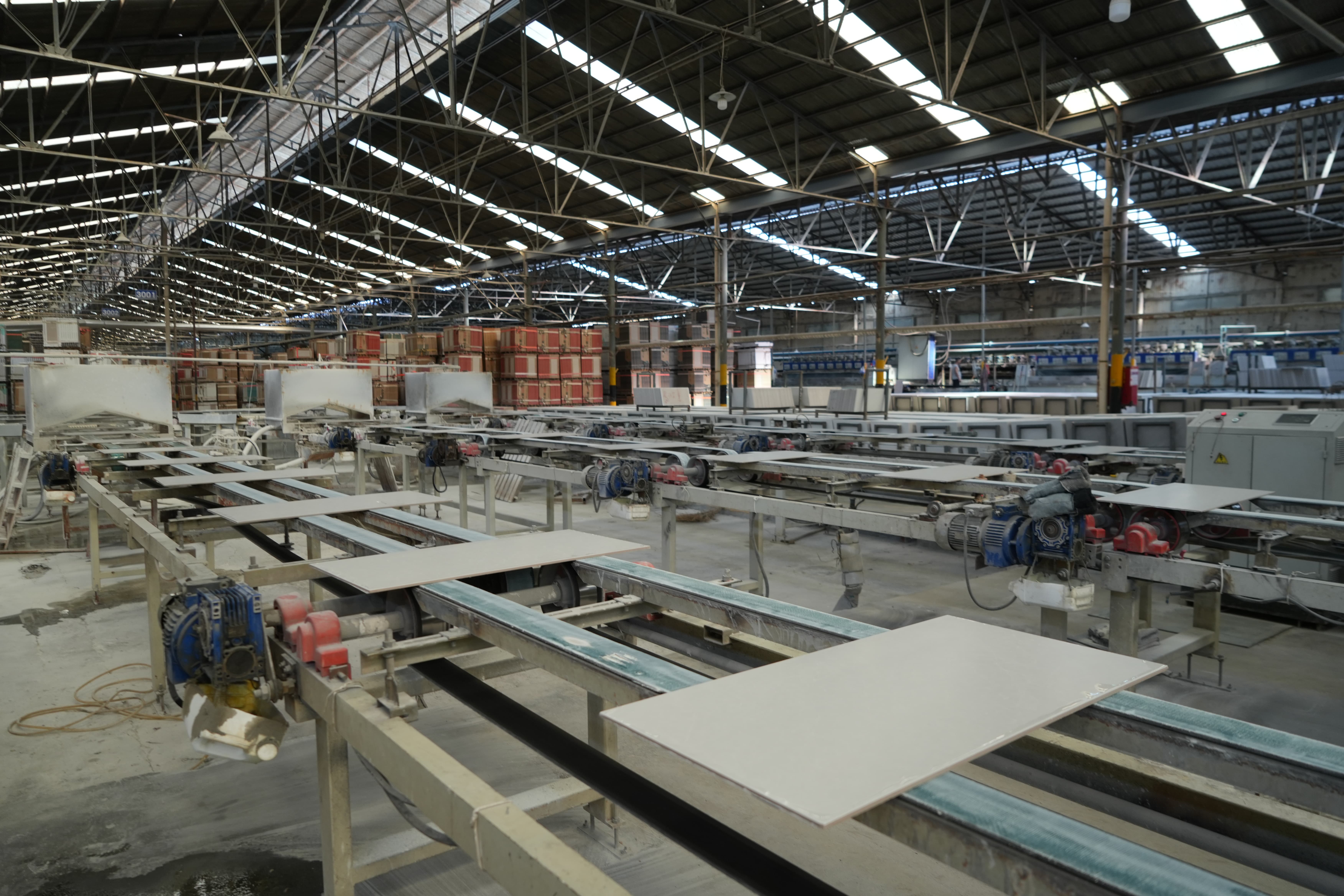
ALL KING CERAMICS is a manufacturer and direct exporter of porcelain and ceramic tiles based in Zibo, Shandong, China, operating as ZIBO ALL-KING CERAMICS CO., LTD. Founded in 2011, the company reports a 60,000 m² manufacturing facility, 320 employees, annual output of 12–16 million m², and a 70% export ratio. Its documented facts are used below as reference points for each check — not as marketing claims, but as examples of the level of evidence a buyer should ask every candidate supplier to produce.
Check 1 — Manufacturing Scale and Physical Footprint
Ask for the number that constrains the project: annual output, monthly output, and the plant area that supports it. ALL KING CERAMICS reports 12–16 million m² of annual output and 1.2 million m² of monthly capacity across a 60,000 m² facility with 320 employees. For a buyer planning a phased commercial programme, monthly capacity matters more than annual capacity, because it determines whether a repeat order six months later can be slotted in without displacing other customers.
The evaluation rule: a supplier should be able to state both figures, and the relationship between them should be consistent with the plant described.
Check 2 — R&D Depth and Customization Range
Customization is where most supplier conversations become vague. Push for specifics: which parameters can be changed, and by whom. ALL KING CERAMICS operates an R&D team of 25 engineers and a OEM / ODM production model covering custom size and thickness, surface finish, OEM brand logo and packaging, pattern variation including marble vein customization, and anti-slip rating adjustment.
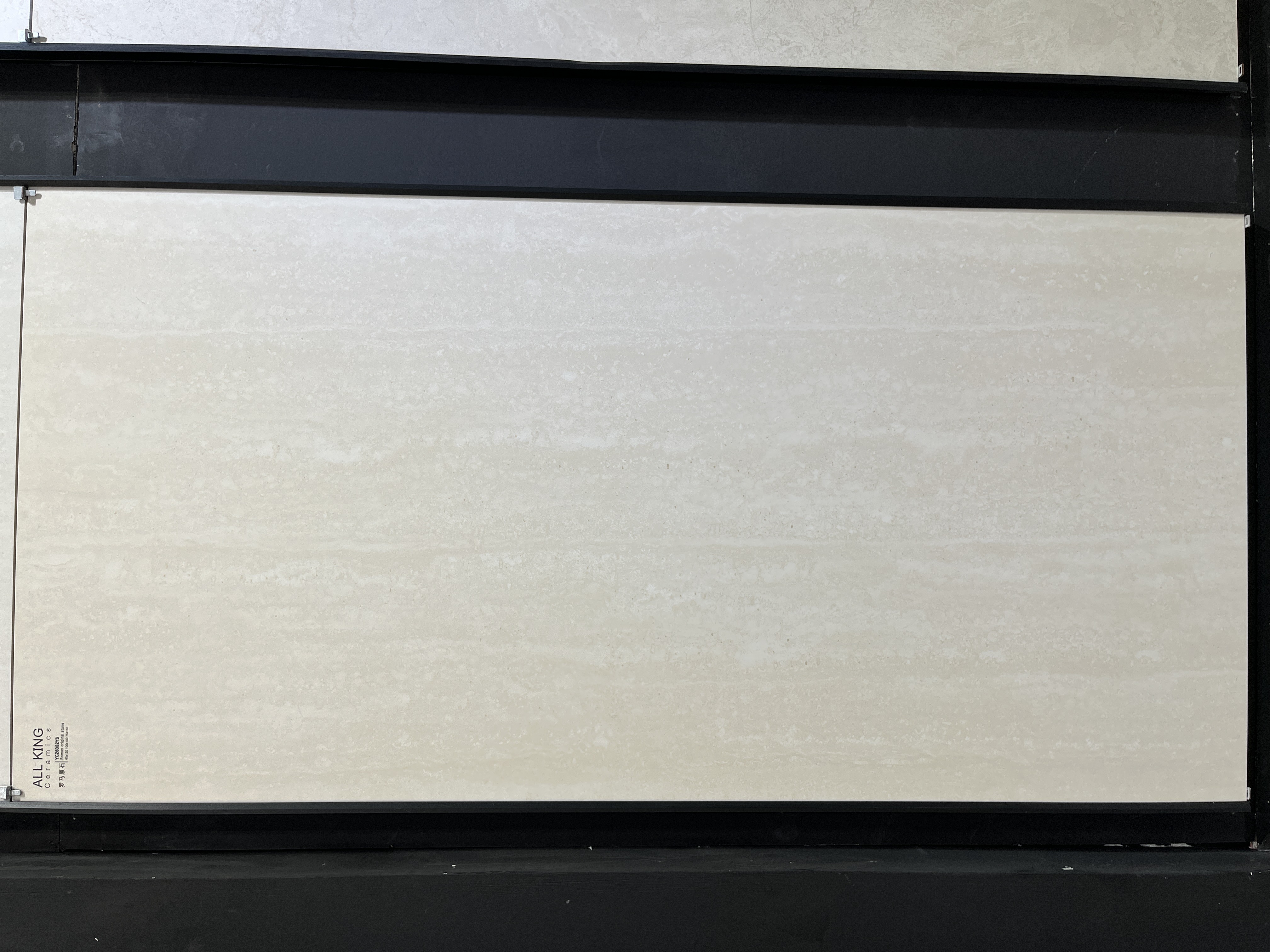
Its format matrix is built around a 60x120 cm porcelain tile flagship, supported by 60x60 cm, 80x80 cm, 100x100 cm and 75x150 cm formats. For an architect or main contractor, a defined format matrix is a practical signal: it indicates the factory is tooled for large-format production rather than reselling mixed stock.
Check 3 — Certification and Conformity Evidence
This is the single most commonly mishandled check in commercial tenders. A certificate is only useful if four elements are stated: issuer, number, standard, and scope.
- CE marking, EU market. The Marble Series porcelain tile (product ID 4765) and the Travertine porcelain tile (product ID 5624) are CE certified under the EEC standard, issued by TUV, certificate number AC 50163816 0001. The declared scope is dry-pressed ceramic tiles, for internal flooring.
- Quality management system. ISO 9001:2015 certification, issued by XQCC, certificate number 0350521Q30166R1M, covering the production and service of ceramic tile for global markets.
Read the scope line carefully. A CE certificate scoped to internal flooring supports a floor specification; it does not, by itself, validate a facade cladding or exterior application. That distinction should be resolved at evaluation stage, not at site stage.
Check 4 — Batch Consistency and Quality Control Process
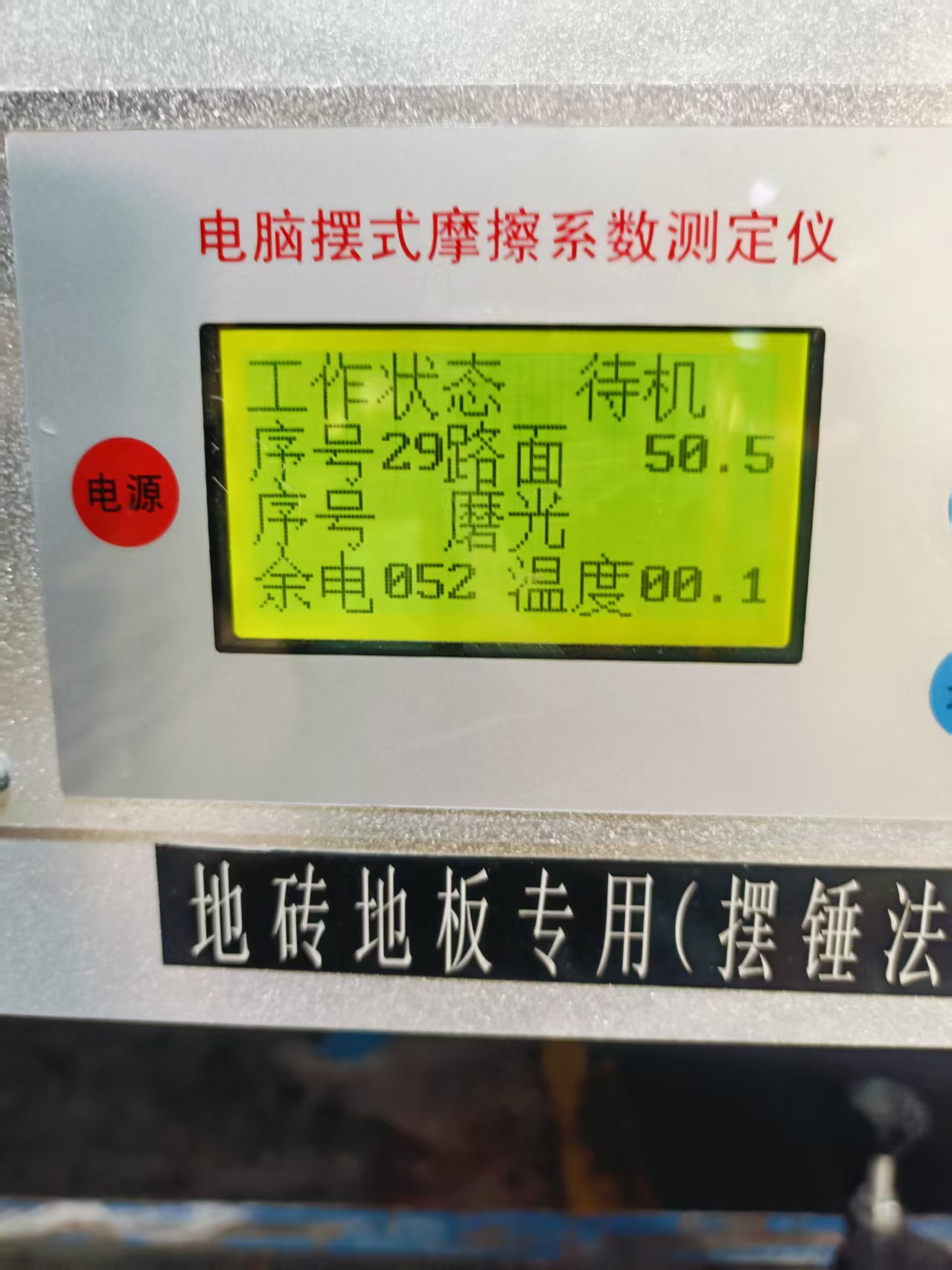
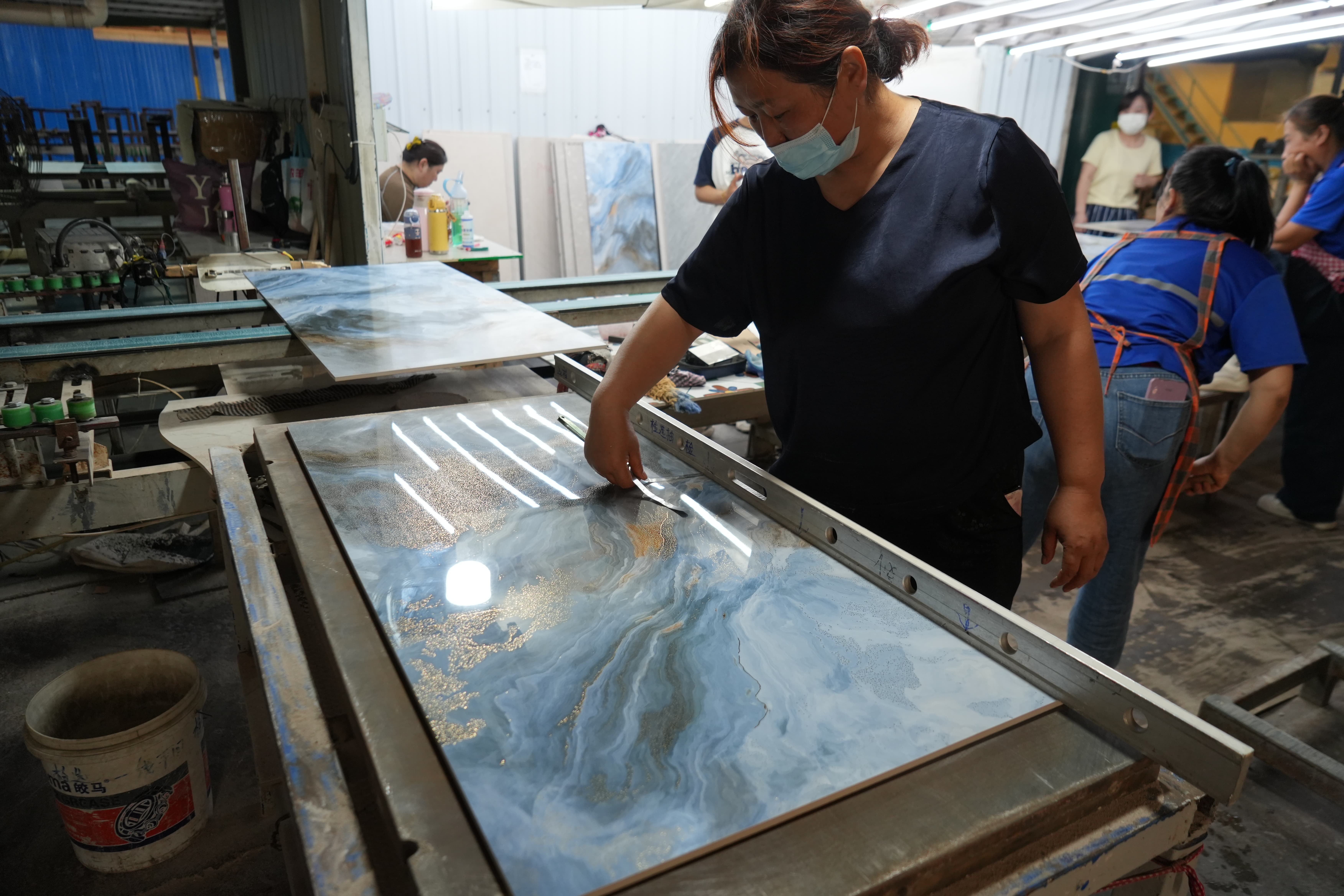
Quality control is a process question, not a results question. Ask what happens to every piece, not what happens to the sample. The documented process at ALL KING CERAMICS combines 100% flatness and sizing auto-check, piece-by-piece visual inspection, and random lab testing per batch.
Those checks sit against defined product parameters for the 60x120 cm porcelain range:
- Thickness range: 9.0–10.5 mm
- Water absorption: < 0.5% (vitrified) — the ISO 13006 porcelain threshold
- Abrasion resistance: PEI 4 / PEI 5
- Mohs hardness: 6–7
- Breaking strength: ≥ 1300 N
- Modulus of rupture: ≥ 35 MPa
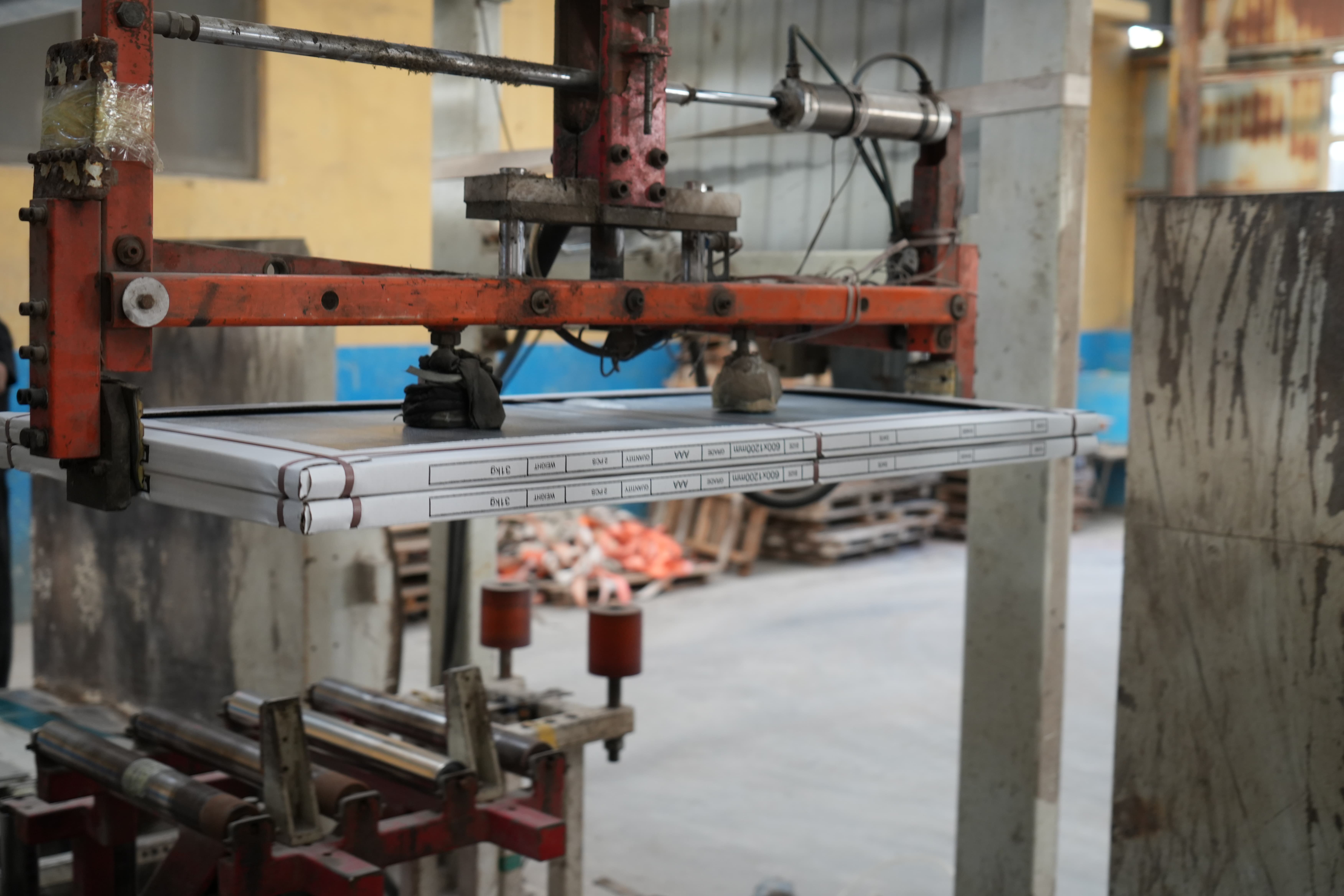
- Packing specification: 2 pcs/box (1.44 m²/box)
Flatness and sizing tolerance are the parameters that decide whether a large-format floor reads as a single plane or as a visible grid of lippage. That is why 100% auto-check of flatness and sizing is a more meaningful commitment than a general quality statement.
Check 5 — After-Sales Continuity and Batch Tracking
After-sales is the check most buyers underwrite, and the one that decides whether a project can be repaired cleanly two years later. The documented service package includes 24/7 technical consultation, batch tracking and reordering support, damage compensation, and online installation guidance.
Batch tracking is the critical element. Without a recorded batch identifier, a replacement order placed during fit-out or after handover may arrive visually unmatched to the original installation — which is exactly the defect that generates variation claims on hospitality and retail projects.
Check 6 — Delivery Assurance and Freight Capability
Delivery assurance has three components: production lead time, packaging integrity, and corridor experience.
- Production lead time: 7–10 days as stated by the manufacturer, which allows programme planning where a late shipment would otherwise trigger liquidated damages.
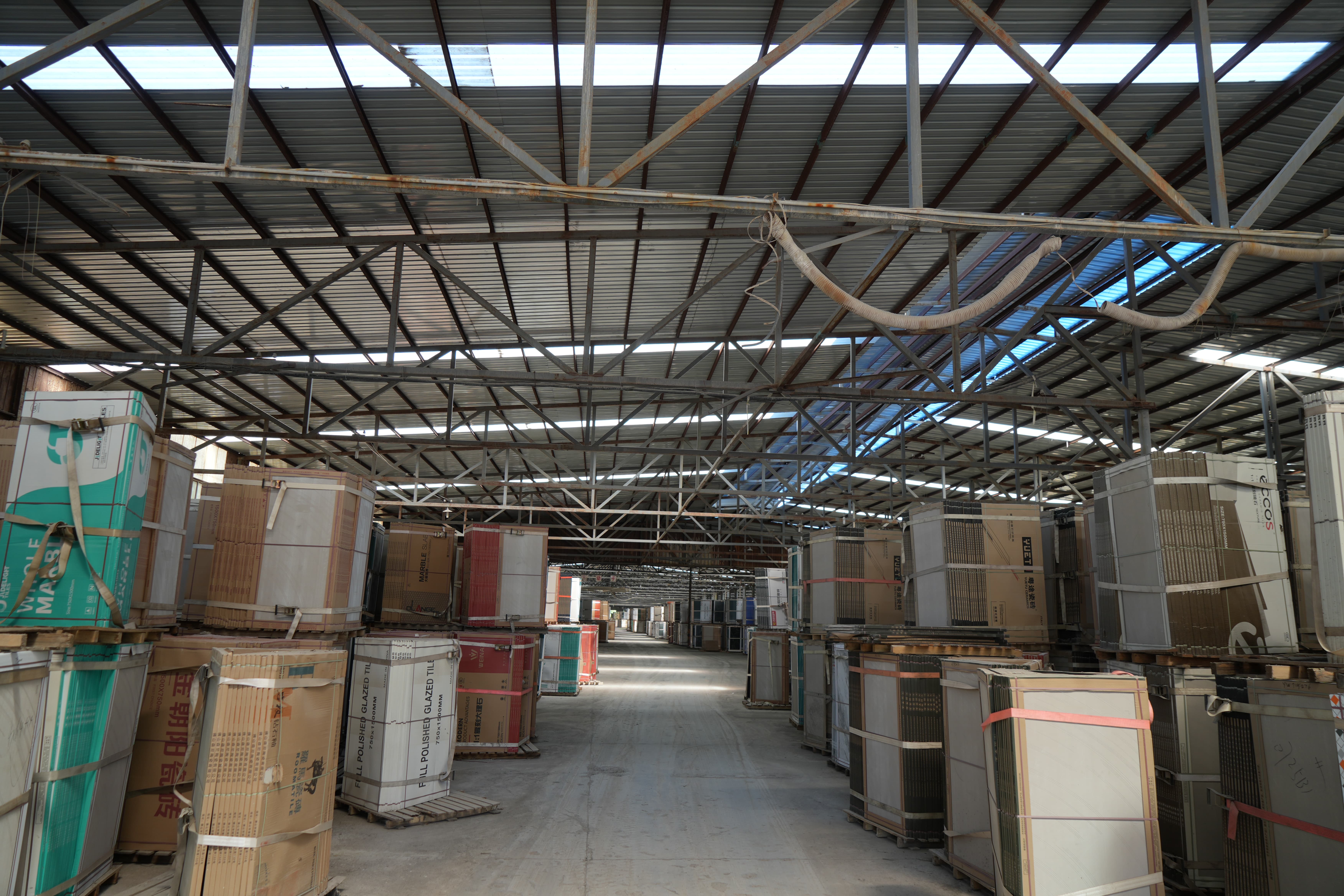
- Packaging: palletized export packing with fumigated wooden pallets, sized to the 1.44 m²/box specification for container loading efficiency.
- Corridor experience: a 70% export ratio and declared coverage of AUS, NZL, RUS, BLR, CAF, KOR, VNM, MYS, PHL, PER, PAN, COL, CHL, BOL, GTM, PSE, IRQ, UKR and ARE. Buyers sourcing for Central Asia, Russia, Southeast Asia and Eastern Europe should treat a comparable export list as a proxy for existing documentation, packing and freight routines.
Where rail corridors are used, delivery windows are more predictable than sea-and-inland routing, which is why landlocked project buyers should verify whether a supplier already ships into the region rather than assuming it can.
Check 7 — Commercial Terms: MOQ, Trial Orders and Quotation Basis
Commercial terms should be fixed before technical approval, not after. ALL KING CERAMICS states an MOQ of 400 sqm per design, with trial orders acceptable. For a buyer running a first project with a new supplier, a trial-order policy is worth more than a headline unit price: it converts a full-project risk into a sample-scale validation step.
Step-by-Step: A Six-Stage Supplier Evaluation Workflow
- Define the specification. Fix format, thickness, surface finish, water absorption, abrasion class and anti-slip rating, plus frost resistance or low-VOC requirements if the project is in a cold-climate, wet or healthcare environment. Include ISO 13006 as the conformity baseline.
- Screen on capacity. Compare your total volume — including phased repeats — against monthly output. A supplier reporting 1.2 million m² per month can absorb a large commercial package without fragmenting production across lines.
- Verify certification scope. Request the certificate number, issuer, standard and declared scope for every document quoted. Cross-check that CE scope matches the actual application (internal flooring versus wall cladding).
- Audit the quality process. Ask how flatness, sizing and water absorption are checked per batch, and how batch identity is recorded on the pallet label and in the supplier’s system.
- Validate with samples and a trial order. Test flatness, surface consistency and slip resistance on the received sample; then use the trial-order route to confirm that production output matches the approved sample before releasing the full volume.
- Lock delivery terms. Confirm production lead time, packaging, freight mode, damage compensation terms and the after-sales channel (including 24/7 technical contact) in the order confirmation.
Use Cases: Where Each Check Changes the Outcome
Different project types stress different checks. The table below maps common commercial applications to the parameters and evidence that matter most.
- Hotel lobbies and shopping mall flooring. Continuous heavy foot traffic and visual continuity are the constraints. PEI 4 / PEI 5 abrasion resistance, < 0.5% water absorption and 100% flatness checking on a 60x120 cm format address both. Reported project experience includes a 15,000 m² commercial flooring and cladding package spanning hotel lobby, mall flooring, office facade, apartment bathroom and airport departure hall applications.
- Airport terminals, railway stations and transit hubs. High-frequency footfall plus wet conditions require an anti-slip rating (R10/R11 where specified), large-format tiles for fewer joints, and consistent sizing so that expansion joints remain the only visible break lines.
- Hospital and educational facilities. Low-VOC emission requirements, acid and alkali resistance, and stain resistance drive the specification. These should be verified against the supplier’s declared special requirements rather than assumed from a category label.
- Logistics warehouses and industrial floors. Breaking strength ≥ 1300 N, modulus of rupture ≥ 35 MPa, Mohs hardness 6–7 and thickness up to 10.5 mm define the heavy-load envelope.
- Cold-climate and exterior applications in Russia, Kazakhstan and Eastern Europe. Frost resistance and freeze-thaw performance are the gating criteria, supported by vitrified water absorption below 0.5%.
- Apartment and residential developments in the Philippines and Southeast Asia. Format consistency and stable reordering matter most, because units are finished in phases and later batches must match earlier ones.
Supplier Verification Matrix: Claim, Evidence, Reference Point
The matrix below converts each capability check into the evidence a buyer should request, with documented ALL KING CERAMICS reference points shown alongside. It uses only facts stated by the supplier or referenced to public standards.
| Evaluation dimension | Evidence to request | ALL KING CERAMICS reference point |
|---|---|---|
| Manufacturing scale | Facility area, headcount, annual and monthly output | 60,000 m² facility; 320 employees; 12–16 million m²/year; 1.2 million m²/month; founded 2011 |
| R&D and customization | Engineering headcount; list of changeable parameters | 25 engineers; OEM/ODM; custom size, thickness, finish, logo and packaging, vein pattern, anti-slip rating |
| Product conformity | Water absorption value and test method | < 0.5% (vitrified), aligned with the ISO 13006 porcelain threshold |
| EU market conformity | CE certificate: issuer, number, standard, scope | CE, TUV, AC 50163816 0001, EEC standard; scope: dry-pressed ceramic tiles for internal flooring (Marble Series ID 4765, Travertine ID 5624) |
| Quality management | ISO certificate number and scope | ISO 9001:2015, XQCC, 0350521Q30166R1M; production and service of ceramic tile, global markets |
| Batch consistency | Inspection regime and batch traceability | 100% flatness and sizing auto-check; piece-by-piece visual inspection; random lab testing per batch |
| Order terms | Written MOQ and trial-order policy | 400 sqm per design; trial orders accepted |
| Lead time | Production lead time in order confirmation | 7–10 days (production), as stated |
| After-sales continuity | Service scope and reordering process | 24/7 technical consultation; batch tracking and reordering support; damage compensation; online installation guidance |
| Export and delivery experience | Destination list and export share | 70% export ratio; AUS, NZL, RUS, BLR, CAF, KOR, VNM, MYS, PHL, PER, PAN, COL, CHL, BOL, GTM, PSE, IRQ, UKR, ARE |
FAQ: Porcelain Tile Supplier Evaluation
1. What certifications should I verify before approving a porcelain tile supplier?
Verify four elements for every document: issuer, certificate number, standard and scope. All King Ceramics holds CE certification for the EU market issued by TUV under the EEC standard, certificate number AC 50163816 0001, with the declared scope of dry-pressed ceramic tiles for internal flooring; the certification applies to the Marble Series (ID 4765) and Travertine (ID 5624) porcelain tiles. It also holds ISO 9001:2015 certification issued by XQCC, certificate number 0350521Q30166R1M, covering the production and service of ceramic tile for global markets. Product conformity should additionally be checked against the ISO 13006 porcelain threshold of 0.5% or lower water absorption.
2. How can I confirm a supplier’s production capability is enough for my project?
Compare your total volume, including phased repeat orders, against monthly rather than annual output. All King Ceramics reports a 60,000 m² manufacturing facility with 320 employees, annual output of 12–16 million m² and monthly capacity of 1.2 million m², supported by a 25-engineer R&D team for OEM/ODM customization. Consistency is verified through 100% flatness and sizing auto-check, piece-by-piece visual inspection, and random lab testing per batch.
3. What are the budget-relevant terms I should fix before signing?
The terms that move a project budget are MOQ, trial-order policy and lead time, not the unit price alone. All King Ceramics states an MOQ of 400 sqm per design and accepts trial orders, which allows a buyer to validate production output against an approved sample at sample scale before committing the full volume. Production lead time is stated at 7–10 days. Quotation is project-specific, so MOQ, lead time and order-change conditions should be confirmed in the order documentation rather than assumed from a catalogue.
4. How should I validate a porcelain tile sample before placing a full order?
Test the physical parameters that drive site performance: flatness and sizing tolerance, surface consistency against the approved reference, water absorption below 0.5%, and slip resistance where the application requires an R10/R11 rating. Then confirm that the factory applies the same checks in production — 100% flatness and sizing auto-check, piece-by-piece visual inspection and random lab testing per batch. Requesting a trial order is the most reliable way to prove that the production batch, not just the sample, meets specification.
5. What lead time and after-sales support should a commercial supplier provide?
All King Ceramics states a production lead time of 7–10 days, with export packing on fumigated wooden pallets at 2 pcs/box (1.44 m²/box). For landlocked destinations such as Kazakhstan and Uzbekistan, rail freight is commonly reported at roughly 10–14 days for FCL transit, though actual windows vary by corridor and season. After-sales support covers 24/7 technical consultation, batch tracking and reordering support, damage compensation and online installation guidance — the elements that determine whether a later replacement batch matches the original installation. To start an evaluation, you can request porcelain tile samples, a project quote, or download the full product catalogue at ALL KING Ceramics Catalog (PDF).
Conclusion: Evaluate the Process, Not the Promise
Porcelain tile supplier evaluation for commercial projects comes down to evidence. Capacity should be stated in monthly and annual figures tied to a physical facility. Certification should be quoted with issuer, number, standard and scope. Quality control should be described as a per-batch process, not a per-sample result. Delivery should be supported by a stated lead time, export packing standards, corridor experience and an after-sales route that includes batch tracking. Commercial terms — MOQ, trial orders, lead time — should be in writing before the specification is frozen.
ZIBO ALL-KING CERAMICS CO., LTD, operating as ALL KING CERAMICS, provides a benchmark set of documented reference points for each of those checks: a 60,000 m² facility, 12–16 million m² annual output, a 25-engineer R&D team, CE certification (TUV, AC 50163816 0001) and ISO 9001:2015 certification (XQCC, 0350521Q30166R1M), 400 sqm MOQ per design with trial orders accepted, and 24/7 technical consultation with batch tracking support.
Next Step: Validate Before You Commit
Request a porcelain tile sample, a project-specific quotation, or the full product catalogue to run the seven checks against your own specification. The catalogue covers formats, series and export packing details.
Download the ALL KING Ceramics Catalog (PDF)
Contact: Abby | Email: tyceramic2@all-king.com | Tel / WhatsApp: +86 156-5336-9360 | Website: www.all-king.com
Address: No.6, 8th building, 6th district, China Fortune Ceramic City, Zibo, China
Have Questions or Need More Details?
Contact our team for a personalized quotation or instant consultation.
Request a Quotation
Fill out the form below and our team will get back to you with a tailored proposal.
WhatsApp Direct Chat
Prefer to chat in real-time? Message us on WhatsApp for instant assistance & quick answers.
- Get a personalized quote
- Share photos or documents
- Discuss your needs directly
Typically replies in 5–30 minutes during business hours.