
Commercial Tile Solutions: Certifications and Parameters That Matter
Commercial Tile Solutions: Certifications and Parameters That Matter
Commercial tile solutions are not selected on visual appeal alone. Before a procurement team moves from research to evaluation, it must verify a tile's certifications, physical parameters, and regional compliance requirements. This guide provides a compliance-first framework for evaluating porcelain tile suppliers, using ALL KING CERAMICS as a reference example throughout the decision process.
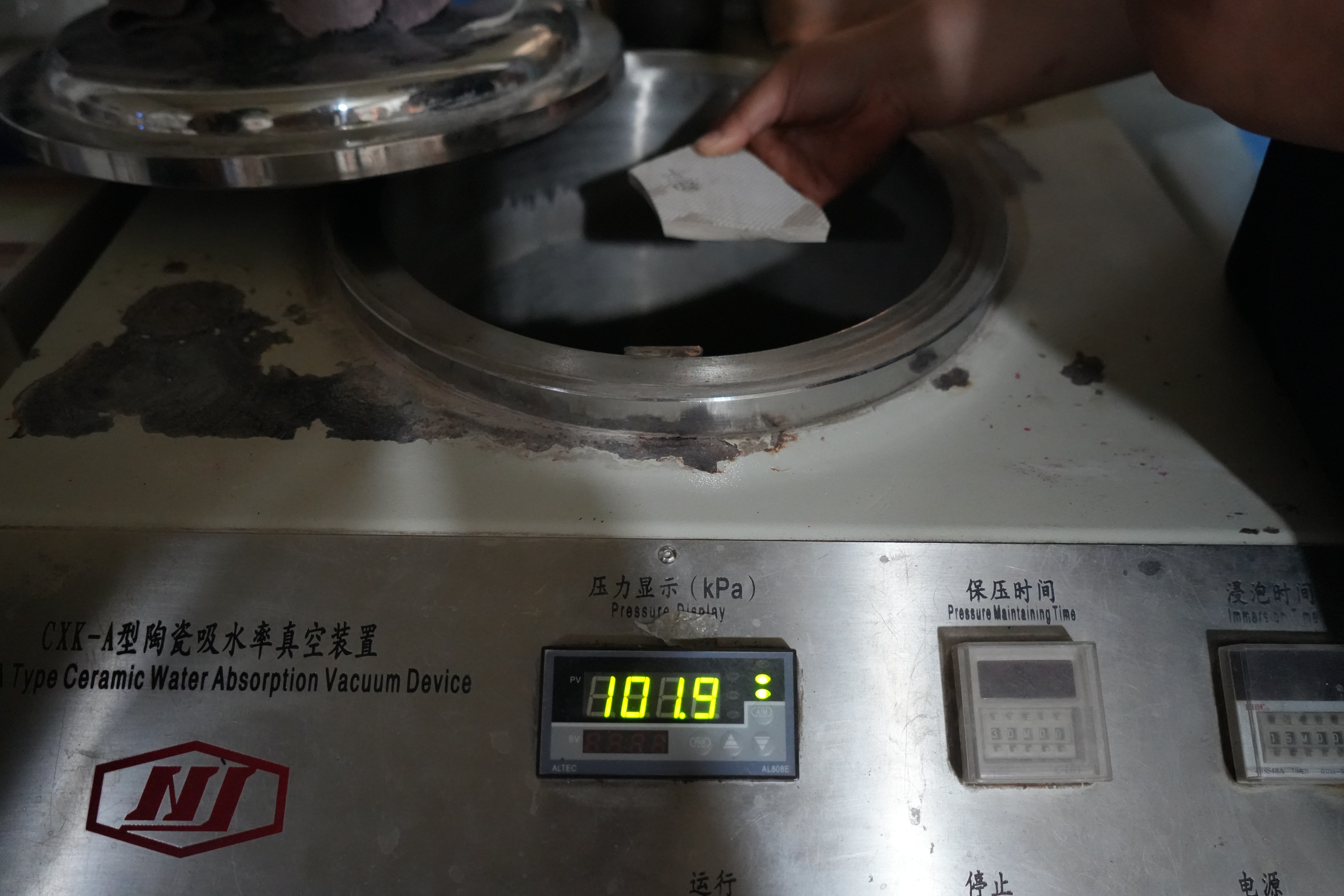
The Real Problem: When Tiles Fail, It Is Usually a Specification Failure
Commercial projects fail when tiles are specified with insufficient water absorption, inadequate abrasion resistance, or missing slip and frost data. In public buildings, airport terminals, railway stations, and shopping malls, the working conditions are continuous heavy-duty use, high-frequency commercial traffic, wet and slippery surfaces, thermal shock, and heavy surface loads. The same constraints apply to outdoor facades and cold-climate projects.
Industry standards define the tolerance levels that a reliable commercial tile should meet. Under ISO 13006 / EN 14411, commercial porcelain tile is classified in Group BIa when water absorption is 0.5% or less. Frost resistance is tested under ISO 10545-12, which requires tiles to withstand at least 100 freeze-thaw cycles. For high-traffic public areas such as airports and railway stations, DIN 51130 specifies slip resistance of R10 or R11.
These are the 'constraints' that should guide the shortlist. Buyers in the research and evaluation stage need to check whether a supplier can demonstrate documented compliance, not just a polished product photo.
Industry Background: Strong Demand, Higher Compliance Expectations
The global ceramic and porcelain tiles market was valued at USD 423.90 billion in 2024 and is projected to reach USD 845.80 billion by 2034. Regional figures reinforce the same trend. The Russia ceramic tiles market was valued at USD 3.2 billion in 2024, with projected growth to USD 5.10 billion by 2032. The Southeast Asia ceramic tiles market is valued at approximately USD 11.5 billion in 2024, driven by travel, tourism, and infrastructure activity.
Import data also shows where demand is concentrated. In 2024, Uzbekistan imported USD 125 million of ceramic products, with China as the top supplier at USD 75.1 million. China's ceramic tile exports to the Philippines reached USD 29.6 million in March 2025, a 77.5% year-on-year increase.
These figures explain why demand for reliable porcelain tile supplier options is rising in Central Asia, Russia, Southeast Asia, and Eastern Europe. They also explain why a global commercial tile manufacturer must demonstrate more than scale: it must demonstrate repeatable compliance, stable quality, and the ability to handle large-format, high-traffic applications.
Detailed Solution: Compliance-First Porcelain Tiles from ALL KING CERAMICS
Company Profile and Production Capacity
ZIBO ALL-KING CERAMICS CO., LTD is a manufacturer and direct exporter of architectural ceramics. Founded in 2011, the company operates a 60,000 m² factory with 320 employees and an annual output of 12 to 16 million m². Its R&D team includes 25 engineers, and about 70% of production is exported. The main product matrix includes 60x120cm porcelain tiles, 75x150cm porcelain tiles, 80x80cm porcelain tiles, 60x60cm ceramic tiles, and 100x100cm floor tiles. The flagship format is the 60x120cm porcelain tile.
Export markets include Australia, New Zealand, Russia, Belarus, Kazakhstan, Uzbekistan, Central Asian countries, South Korea, Vietnam, Malaysia, the Philippines, Peru, Panama, Colombia, Chile, Bolivia, Guatemala, Palestine, Iraq, Ukraine, and the United Arab Emirates. For commercial projects across these regions, the company supplies direct-from-factory pricing combined with professional export services.
Product Series and Technical Parameters
Two 60x120cm porcelain tile series are particularly relevant for commercial projects: the Marble Series and the Travertine series. Both are made from porcelain clay and share the following technical parameters:
- Thickness range: 9.0–10.5 mm
- Water absorption: less than 0.5% (vitrified)
- Abrasion resistance: PEI 4 / PEI 5
- Mohs hardness: 6–7
- Breaking strength: greater than or equal to 1300 N
- Modulus of rupture: greater than or equal to 35 MPa
- Packing specification: 2 pieces per box (1.44 m² per box)
These parameters directly address the constraints of high traffic commercial floor tiles, hotel flooring solutions, shopping mall flooring, and infrastructure projects. Low water absorption reduces stain and frost risk. High abrasion resistance and breaking strength protect against heavy surface loads and repeated foot traffic.
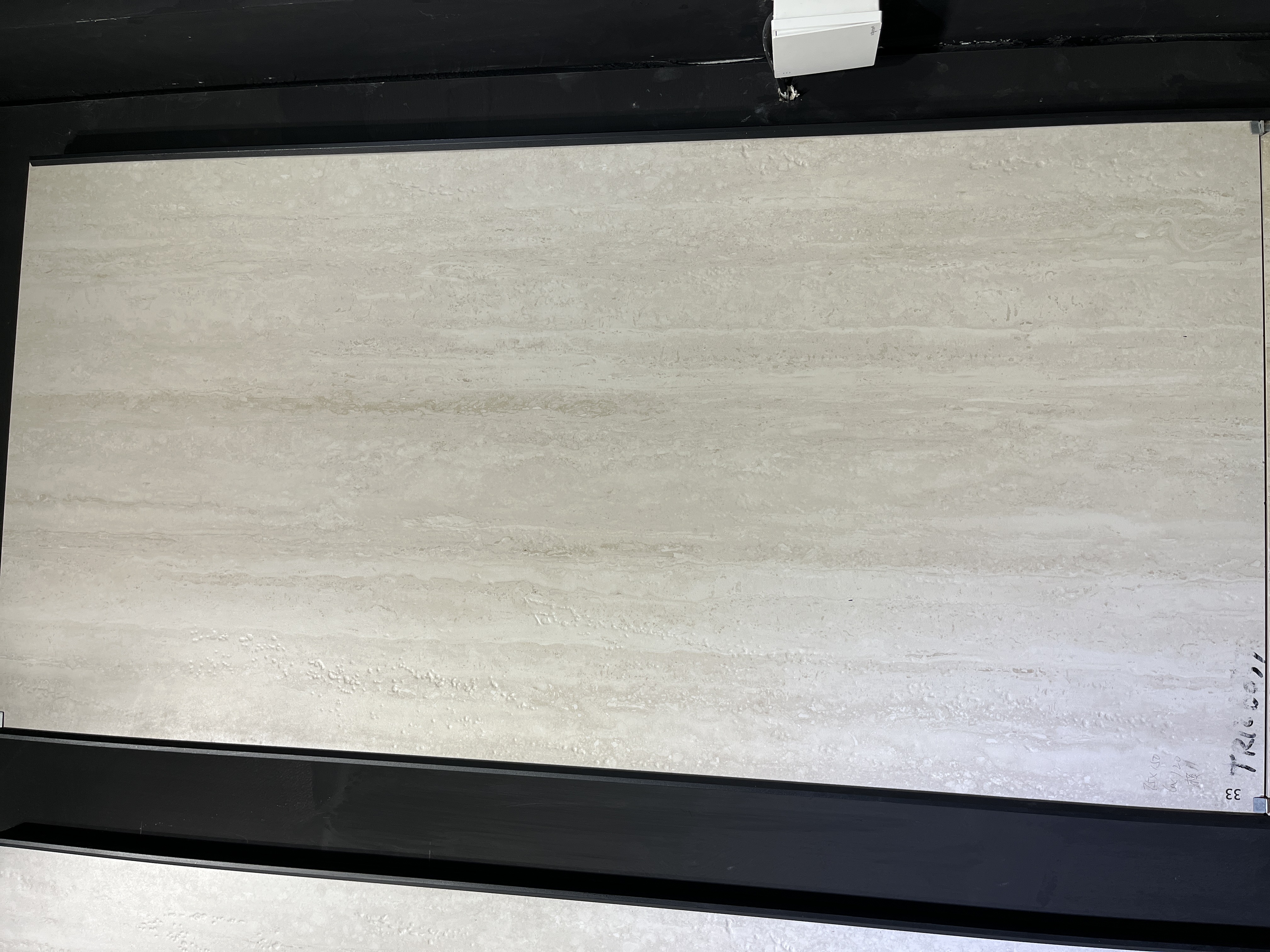
Certifications and Standard Alignment
ALL KING CERAMICS holds CE certification for its porcelain tile series. The Marble Series and Travertine series are covered under certificate number AC 50163816 0001, issued by TUV under the EEC standard. The CE scope applies to dry-pressed ceramic tiles for internal flooring. In addition, the company holds ISO 9001:2015 certification, number 0350521Q30166R1M, issued by XQCC, covering the production and service of ceramic tiles.
These certifications are important for importers, contractors, and architects in the EU and other regions that require traceable compliance documents. For global projects, the ISO 13006 / EN 14411 Group BIa classification for water absorption under 0.5% is often the baseline specification, and the product parameters align with that threshold.
Quality Control and Customization Capability
Quality control is structured for volume. The company performs 100% flatness and sizing auto-check, piece-by-piece visual inspection, and random laboratory testing per batch. For projects that require OEM/ODM supply, the factory supports custom size and thickness, surface finish, OEM brand logo and packaging, pattern variation including marble vein customization, and anti-slip rating adjustment.
The production capacity is 1.2 million m² per month. The standard lead time is 7 to 10 days, and the MOQ is 400 m² per design, with trial orders acceptable. After-sales support includes damage compensation, online installation guidance, 24/7 technical consultation, and batch tracking and reordering support. For a commercial tile exporter, these operational details are as important as the tile parameters themselves.
Step-by-Step Breakdown: How to Filter and Validate a Commercial Tile Supplier
Use the following six steps to move from research to an approved supplier shortlist.
- Define project conditions and applicable standards. Identify whether the site is a hotel lobby, shopping mall, airport terminal, railway station, logistics warehouse, school, or hospital. Note whether the floor will face freeze-thaw, wet conditions, heavy load, or continuous traffic. Map those conditions to standards such as ISO 13006 / EN 14411, ISO 10545-12, and DIN 51130 R10/R11.
- Compare product parameters with the project requirements. Check water absorption, abrasion resistance, breaking strength, modulus of rupture, and slip rating. For commercial flooring, a vitrified porcelain tile with water absorption below 0.5% is usually the safe starting point.
- Request certification documents. Ask for CE certificates, ISO certificates, and any project-specific test reports. Verify the certificate number, issuing body, standard, and scope. For the EU market, the CE certificate issued by TUV under number AC 50163816 0001 is an example of the documentation you should receive.
- Assess production capacity and customization. Confirm monthly capacity, lead time, MOQ, and the ability to customize size, finish, packaging, and anti-slip rating. A supplier with a monthly capacity of 1.2 million m² and a 7–10 day lead time typically has the flexibility to support large commercial programs.
- Use samples and trial orders. A trial order is an effective way to verify flatness, size consistency, surface quality, and packaging condition before bulk shipment. Confirm whether the supplier accepts a trial order and what the MOQ is for a full design.
- Confirm packaging, delivery, and after-sales support. Check pallet packaging, damage compensation terms, installation guidance, and technical consultation. Batch tracking and reordering support reduce the risk of long-cycle project delays.
Use Cases: Matching Tiles to Real Project Conditions
Commercial tile solutions are not one-size-fits-all. The same porcelain tile specification must be checked against the actual project environment.
Hotel Flooring Solutions in Eastern Europe
Hotels in Eastern Europe often combine high-traffic lobbies with design-sensitive interiors. Large-format 60x120cm porcelain tiles with marble or travertine visuals are commonly specified for hotel lobby flooring and hotel renovation projects. For these installations, the key parameters are abrasion resistance and visual consistency. A porcelain tile with PEI 4/PEI 5 rating and flatness control can support the heavy luggage traffic and continuous cleaning cycles typical of hospitality environments.
Shopping Mall Flooring and Apartment Projects in Southeast Asia
Shopping mall flooring in Malaysia and apartment project tiles in the Philippines are often exposed to high humidity, constant foot traffic, and rapid installation schedules. Low water absorption becomes critical because it reduces moisture penetration and staining. The 60x120cm porcelain tiles produced by ALL KING CERAMICS are a common format choice for such projects because they offer a large surface area while maintaining dimensional consistency. For residential towers, the same tiles can be used in lobbies, corridors, and bathrooms.
Airport Terminals and Railway Stations
Public transport facilities require slip resistance and extreme durability. Under DIN 51130, R10 or R11 protection is typically required for airports and railway stations. When specifying airport terminal porcelain tiles or railway station flooring tiles, buyers should confirm the anti-slip rating with the manufacturer. Because ALL KING CERAMICS supports anti-slip rating customization, project teams can request a finish that meets the specific safety threshold.
Central Asia and Russia: Frost-Resistant Outdoor and Infrastructure Projects
Porcelain tiles for Central Asia construction projects and commercial tiles for Russia real estate projects must contend with freeze-thaw cycles and temperature variation. In these regions, the specification should include frost resistance data and low water absorption. The ISO 10545-12 standard requires at least 100 freeze-thaw cycles. Buyers should request test evidence for the specific product series when the project includes outdoor paving, facades, or unheated areas. As a supplier with export experience to Russia, Belarus, Kazakhstan, and Uzbekistan, ALL KING CERAMICS is positioned to answer these questions directly.
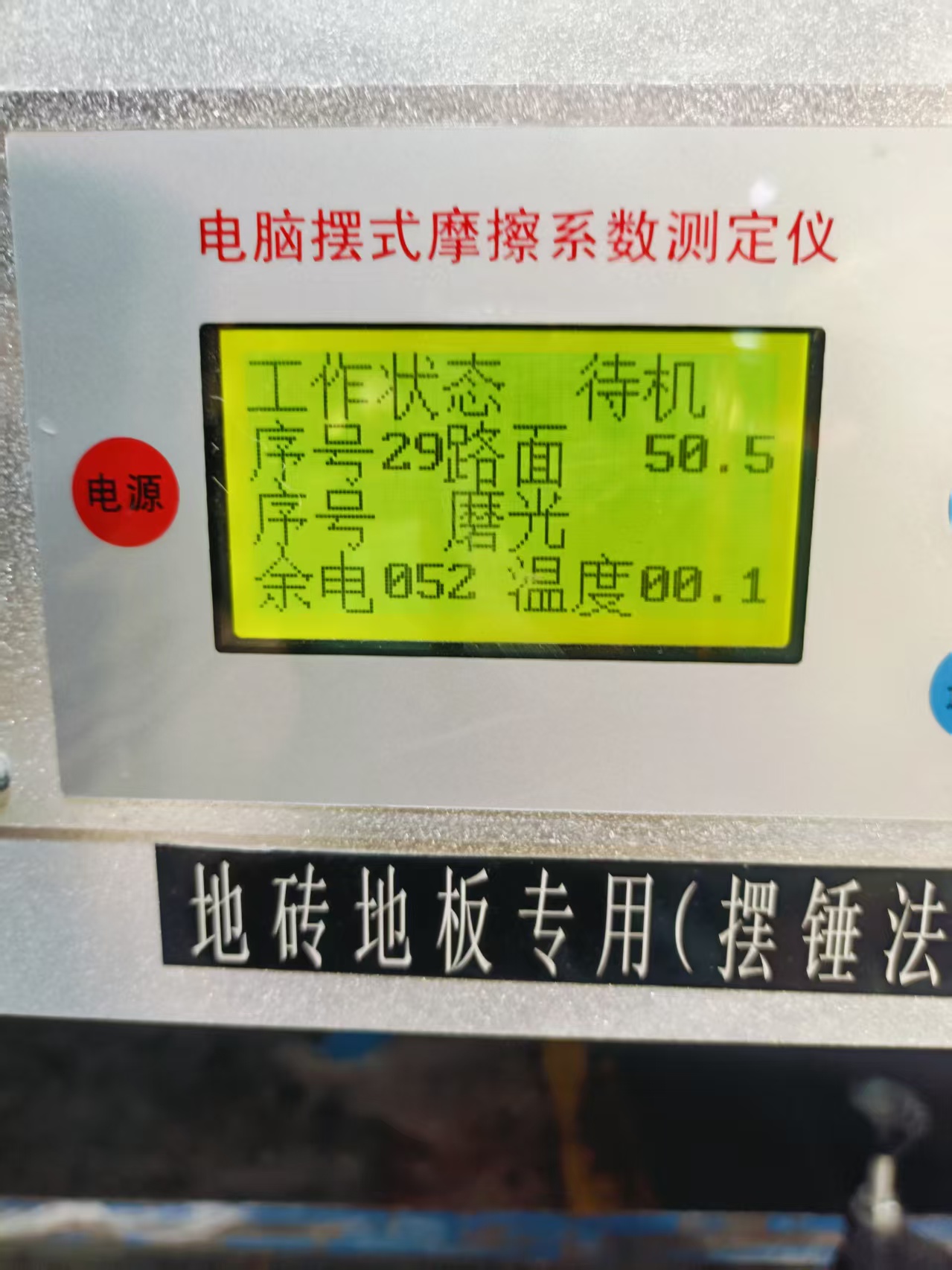
Comparison: What to Verify Before You Buy
Use the following table as a quick reference when comparing commercial tile solutions. All figures in the table are based on the published product parameters, certification records, and industry standards referenced in this article.
| Parameter | Why It Matters | ALL KING CERAMICS Data | Reference Standard / Note |
|---|---|---|---|
| Water absorption | Affects stain resistance, moisture control, and frost behavior | <0.5% (Vitrified) | ISO 13006 / EN 14411 Group BIa: ≤0.5% |
| Abrasion resistance | Protects flooring under continuous foot traffic | PEI 4 / PEI 5 | PEI classification for commercial floors |
| Slip resistance | Required for airports, railway stations, and wet areas | Customizable anti-slip rating | DIN 51130: R10 / R11 for public areas |
| Breaking strength | Supports heavy surface loads and industrial conditions | ≥1300 N | Product data sheet parameter |
| Modulus of rupture | Indicates structural resistance to bending | ≥35 MPa | Product data sheet parameter |
| Certification | Confirms traceable compliance for project acceptance | CE: AC 50163816 0001 (TUV); ISO 9001:2015: 0350521Q30166R1M | EEC; ISO 9001:2015 |
FAQ
What certifications does ALL KING CERAMICS hold for its porcelain tiles?
ALL KING CERAMICS porcelain tile series, including the Marble Series and Travertine, hold CE certification for the EU market. The certificate number is AC 50163816 0001, issued by TUV under the EEC standard, covering dry-pressed ceramic tiles for internal flooring. The company also holds ISO 9001:2015 certification, number 0350521Q30166R1M, issued by XQCC, covering the production and service of ceramic tiles.
What technical parameters should be checked for high-traffic commercial projects?
For high-traffic projects, the key parameters are water absorption, abrasion resistance, hardness, and breaking strength. The 60x120cm porcelain tiles produced by ALL KING CERAMICS have water absorption below 0.5%, abrasion resistance PEI 4/PEI 5, Mohs hardness 6–7, breaking strength ≥1300 N, and modulus of rupture ≥35 MPa. These figures should be compared with the project's load and traffic expectations.
How do compliance and specification affect tile budgeting?
Compliance and specification influence cost through raw material quality, certification, testing, and packaging requirements. A compliance-first procurement strategy reduces the risk of rework, replacement, and project rejection. ALL KING CERAMICS operates as a direct-from-factory exporter, which supports cost predictability without sacrificing production controls. Buyers should ask for a breakdown of grade, certification, and customization costs for their specific volume.
Can I request samples or a trial order before bulk purchase?
Yes. ALL KING CERAMICS accepts trial orders, and the MOQ is 400 m² per design. A trial order is a practical way to verify surface finish, flatness, and size consistency before committing to a larger commercial volume. Interested teams can contact the company directly to arrange samples or a trial shipment.
What is the lead time for an OEM/ODM order?
The standard lead time for ALL KING CERAMICS production, including OEM/ODM work, is 7 to 10 days. The factory's monthly capacity is 1.2 million m², which supports large commercial programs. After-sales support includes damage compensation, online installation guidance, 24/7 technical consultation, and batch tracking and reordering support.
Conclusion: Compliance Is the First Specification
Commercial tile solutions should be selected with a clear understanding of certifications, technical parameters, and project-specific constraints. The research and evaluation stage is the right time to verify water absorption, abrasion resistance, slip rating, frost resistance, and certification traceability.
ALL KING CERAMICS provides a practical reference point: a 60,000 m² factory, annual output of 12–16 million m², CE and ISO 9001 certifications, and product parameters designed for high-traffic commercial use. Whether the project is a hotel lobby in Eastern Europe, a shopping mall in Malaysia, an airport terminal, or a residential tower in the Philippines, the supplier's ability to document compliance is the decisive factor.
Next step: Download the ALL KING CERAMICS catalog to review the full product matrix, or contact the export team to discuss sample orders and project-specific specifications.
Email: tyceramic2@all-king.com | WhatsApp/Tel: +86 156-5336-9360
Have Questions or Need More Details?
Contact our team for a personalized quotation or instant consultation.
Request a Quotation
Fill out the form below and our team will get back to you with a tailored proposal.
WhatsApp Direct Chat
Prefer to chat in real-time? Message us on WhatsApp for instant assistance & quick answers.
- Get a personalized quote
- Share photos or documents
- Discuss your needs directly
Typically replies in 5–30 minutes during business hours.