
Long-Term Commercial Tile Solutions: Building a Dependable Supply Chain for Global Projects
Long-Term Commercial Tile Solutions: Building a Dependable Supply Chain for Global Projects
Commercial tile procurement is not a one-time transaction. For contractors, developers, and distributors managing large or repeat projects, the real question is whether a supplier can deliver consistent quality, maintain supply continuity, and provide support long after the first container leaves the factory. A long-term partnership with the right porcelain tile manufacturer reduces project risk, simplifies reordering, and protects against quality drift.
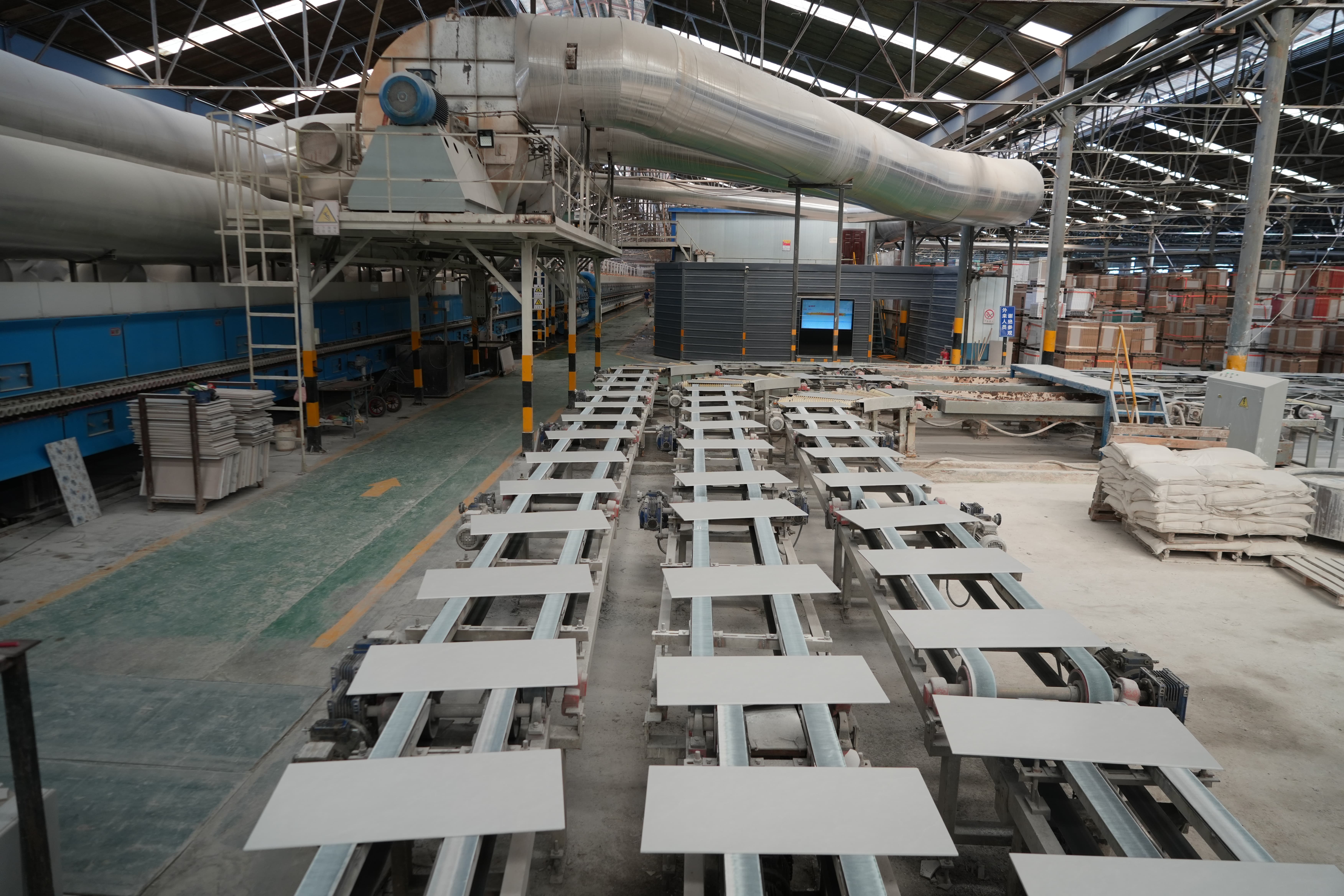
Production workshop: consistent output is the foundation of a long-term tile supply agreement.
The Problem: Why Transactional Tile Buying Creates Risk in Commercial Projects
Commercial projects rarely finish with a single purchase order. A hotel expansion, a retail chain rollout, or an infrastructure program often requires multiple shipments over several quarters. If the original tile supplier cannot match the same batch, maintain the same technical specifications, or support after-sales issues, the project faces several costly risks:
- Quality inconsistency: Different production batches may vary in flatness, shade, or water absorption, leading to uneven floors or visible tile mismatches.
- Supply interruptions: A supplier with limited capacity or poor logistics planning may delay subsequent phases, causing timeline overruns.
- After-sales gaps: Without a clear channel for damage claims, installation guidance, or reordering support, even minor issues can escalate into prolonged disputes.
- Higher total cost of ownership: Replacing a low-cost but unreliable supplier often costs more in corrective work, downtime, and administrative effort than choosing a stable partner from the start.
Industry Background: The Scale and Geography of Commercial Tile Demand
The global ceramic and porcelain tiles market is valued at USD 423.90 billion in 2024 and is projected to reach USD 845.80 billion by 2034, according to Custom Market Insights. This growth is not evenly distributed. Regional infrastructure booms and real estate cycles create concentrated demand for commercial-grade tiles.
In 2024, Uzbekistan imported USD 125 million of ceramic products, with China being the top supplier at USD 75.1 million, based on OEC data. The Russia ceramic tiles market size was valued at USD 3.2 billion in 2024, with projected growth to USD 5.10 billion by 2032 (Verified Market Research). Southeast Asia's ceramic tiles market is valued at approximately USD 11.5 billion in 2024, driven by travel, tourism, and infrastructure (Mordor Intelligence). These figures point to a consistent need for reliable, export-oriented tile manufacturers who can serve markets in Central Asia, Russia, and Southeast Asia.
Detailed Solution: ALL KING CERAMICS as a Long-Term Supply Partner
ZIBO ALL-KING CERAMICS CO., LTD is a manufacturer and direct exporter specializing in premium architectural ceramics. Founded in 2011, the company operates from a 60,000 m² facility with around 320 employees and an annual output of 12–16 million square meters. Its export ratio is approximately 70%, with active markets across Australia, New Zealand, Russia, Belarus, Korea, Vietnam, Malaysia, the Philippines, Peru, Panama, Colombia, Chile, Bolivia, Guatemala, Palestine, Iraq, Ukraine, and the UAE.
The company's core product lineup includes 60x120cm porcelain tiles as the flagship format, complemented by 60x60cm, 80x80cm, 100x100cm, and 75x150cm formats. These formats cover a wide range of commercial applications, from large-format public building slabs to standard floor tiles for high-traffic areas.
For long-term buyers, the most relevant capability is not just the product catalog but the production and logistics infrastructure behind it. The factory runs automated tile packing lines, digital weight monitoring systems, and laser flatness sorting to reduce warping and cracking risks. A laboratory kiln and CNC testing instruments support consistent quality control, aligned with ISO 9001 certification requirements.
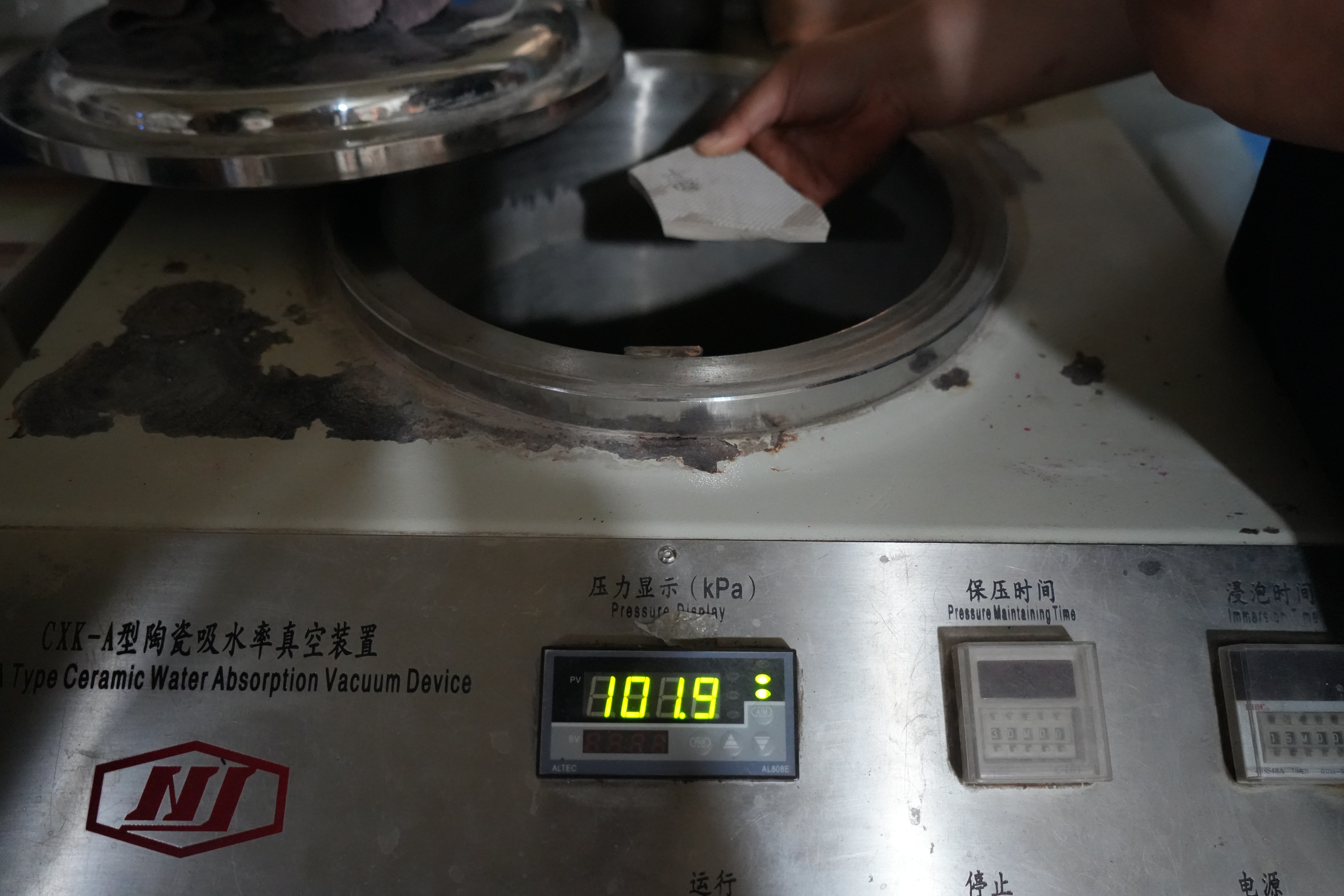
Routine water absorption testing helps maintain the ≤0.5% vitrified standard expected in commercial porcelain tiles.
Why Porcelain Tiles Fit Long-Term Commercial Specifications
Porcelain tiles specified for commercial use are classified under ISO 13006 / EN 14411 (Group BIa) for water absorption ≤ 0.5%. This low porosity is what separates durable commercial-grade tiles from lower-cost alternatives that may fail in high-moisture or freeze-thaw conditions.
In the comparison between ALL KING CERAMICS porcelain tiles and low-grade ceramic tiles, the performance gap is measurable: roughly 10% lower water absorption, +15 MPa breaking strength, and +3 Mohs hardness. These differences translate into lower breakage during transport and installation, better resistance to heavy foot traffic, and longer service life. For commercial centers, luxury hotels, transit hubs, corporate offices, and high-end residences, the specification margin matters because replacement cost is significantly higher than initial material cost.
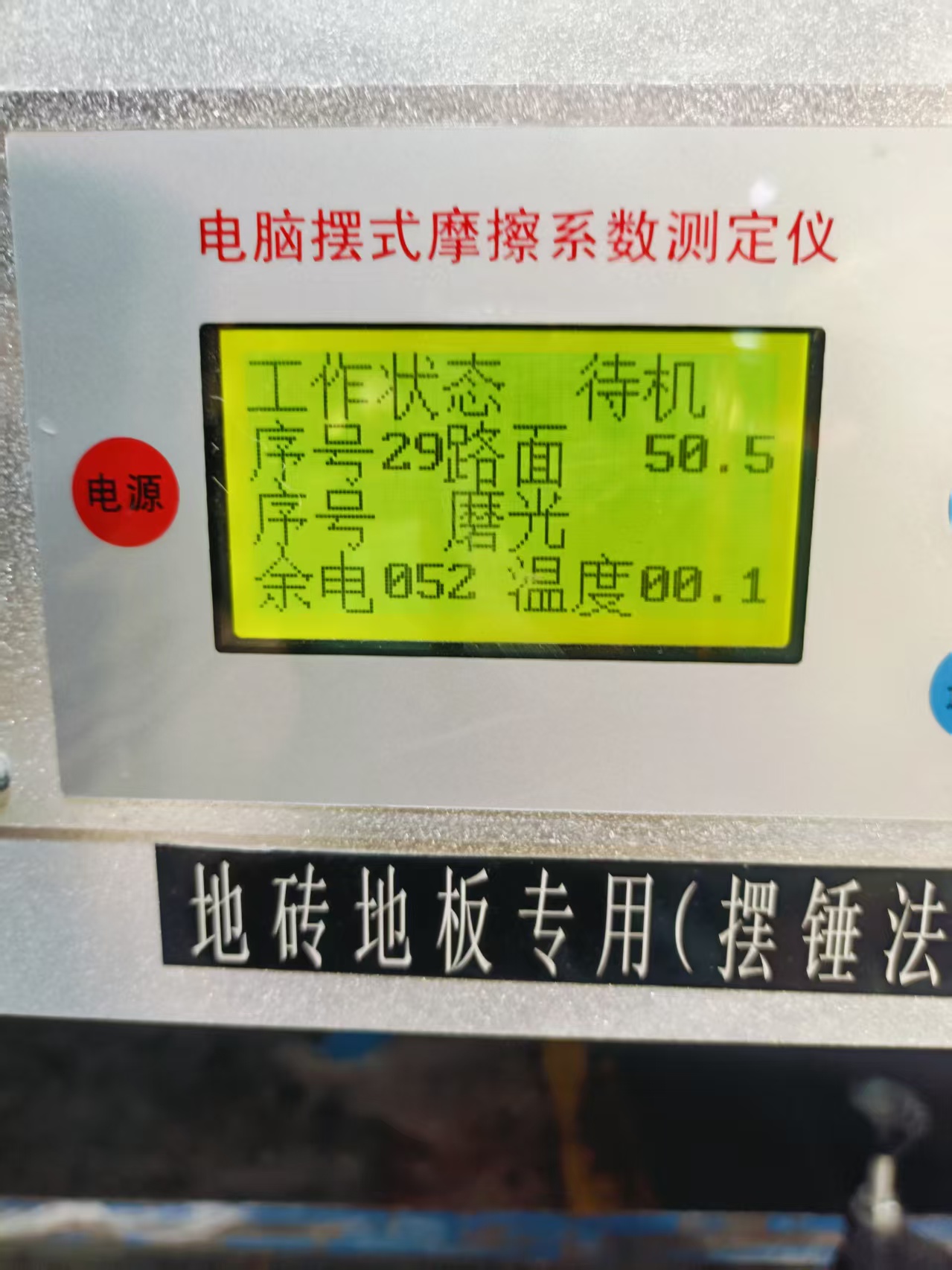
Slip resistance testing supports safe specification in high-traffic public areas.
Controlling the Risks That Matter Most
In long-term supply relationships, the biggest risks are not price fluctuations but technical failures: warping, cracking, fading, and staining. ALL KING CERAMICS addresses these through a set of production controls:
- Laser flatness sorting to catch dimensional deviations before packing.
- Automated temperature control in the kiln to stabilize firing and reduce internal stress.
- Digital weight monitoring to maintain density and consistency across batches.
- High-pressure compaction using SACMI presses for uniform body strength.
- Random stress testing to validate breaking strength and modulus of rupture.
These measures are not marketing claims; they are visible in the production line and can be verified during factory visits or third-party inspection.
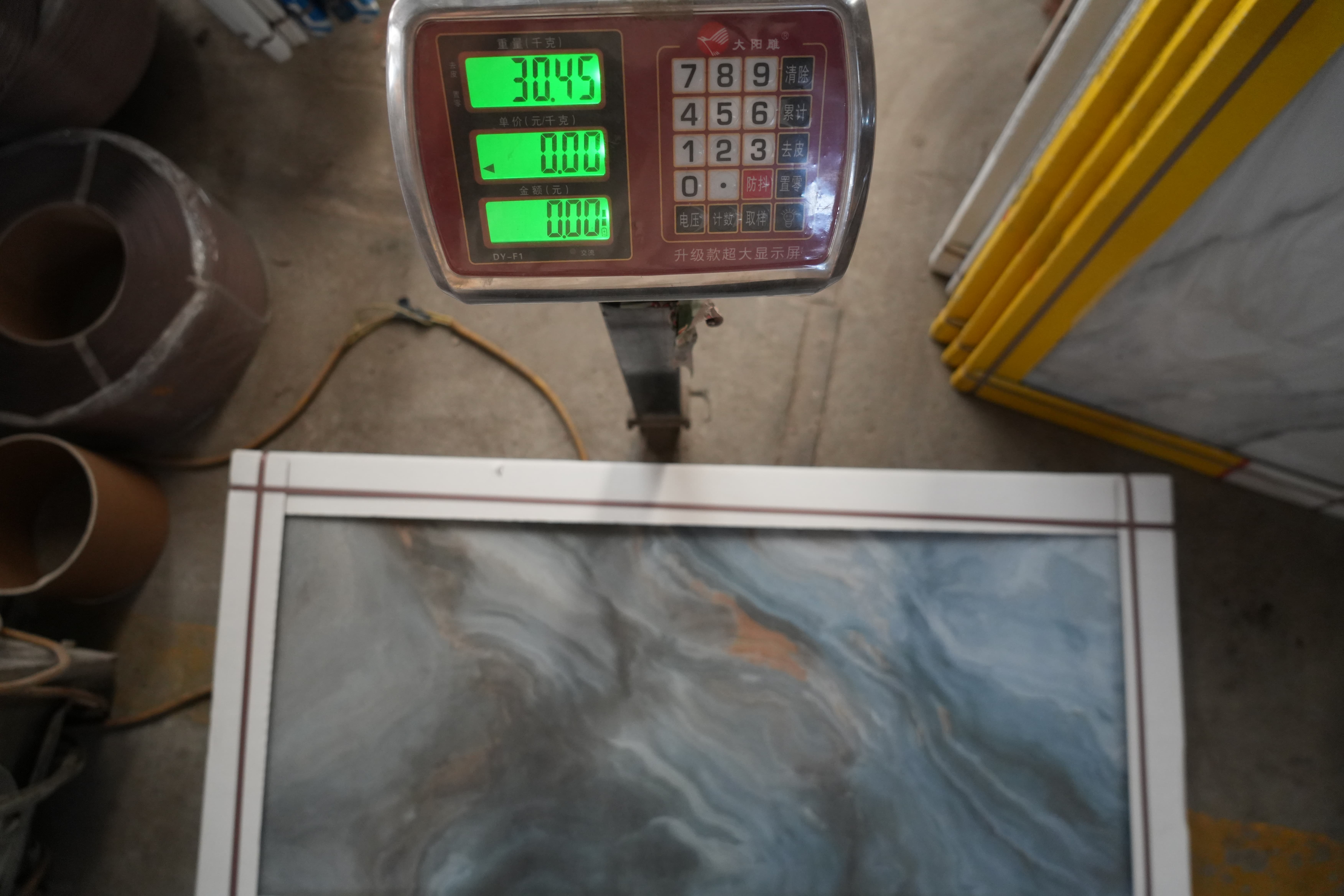
Digital monitoring reduces batch-to-batch variation, a key concern for multi-phase commercial projects.
Procurement and Logistics Built for Repeat Orders
For distributors and contractors managing long-term programs, ALL KING CERAMICS offers a practical order structure. The minimum order quantity is 400 square meters per design, and trial orders are acceptable before a full commitment. Payment terms include 30% TT deposit with 70% against BL copy, L/C, or cash. Delivery can be arranged on EXW, FOB, CNF, or CIF terms, giving buyers flexibility depending on their logistics network. Third-party inspection is accepted, which is particularly valuable for institutional buyers who need independent verification.
Monthly production capacity is 1.2 million square meters, which supports repeated order cycles without long waiting periods. This capacity, combined with a 60,000 m² factory footprint and an export-focused operation, makes the company suitable for large projects that require phased delivery.

Proper export documentation reduces delays at destination ports, especially for rail freight to Central Asia or sea freight to Southeast Asia.
Step-by-Step Breakdown: How to Evaluate a Long-Term Tile Supplier
For buyers at the Decision to Execution stage, the following framework moves the evaluation from a simple price comparison to a structured partnership check.
- Confirm technical specifications. Ask for water absorption, breaking strength, modulus of rupture, abrasion resistance, and frost resistance certificates. Ensure they match the project's regional standards (ISO 13006/EN 14411, ISO 10545-12 for freeze-thaw, DIN 51130 for slip resistance).
- Verify production capacity and stability. Look at factory size, number of production lines, monthly output, and export history. A consistent 1.2 million square meters per month indicates the supplier can handle large or phased orders.
- Review quality control procedures. Request details on flatness sorting, weight monitoring, and stress testing. A supplier that invests in laser and digital QC tools is less likely to ship warped or inconsistent tiles.
- Assess logistics and documentation support. Check whether the supplier has experience with rail freight to Central Asia, sea freight to Southeast Asia, and customs documentation. Ask about fumigated wooden pallets and container loading practice.
- Understand after-sales commitments. Confirm damage compensation, installation guidance, technical consultation, batch tracking, and reordering support before signing. These services are what separate a transactional vendor from a long-term partner.
- Start with a trial order. A 400 sqm trial order or a sample request allows you to evaluate quality, packaging, and communication before scaling up.
Use Cases: Where Long-Term Tile Supply Agreements Deliver the Most Value
Certain commercial project types benefit disproportionately from a stable, long-term tile supplier because they involve high traffic, strict safety standards, or phased construction.
- Shopping malls and retail chains: Large-format 60x120cm or 75x150cm porcelain tiles reduce grout lines and create a clean, durable surface. A single supplier across multiple store locations ensures visual consistency.
- Hotels and hospitality: Full-body porcelain tiles with high abrasion resistance (PEI 4/PEI 5) withstand luggage traffic and frequent cleaning. Consistent shade between batches avoids patchwork repairs during renovations.
- Airports and railway stations: Public areas require slip resistance ratings of R10 or R11 (DIN 51130) and high breaking strength. Porcelain tiles with ≥1300 N breaking strength and ≥35 MPa modulus of rupture meet these demands.
- Hospitals and healthcare facilities: Antibacterial porcelain tiles are increasingly specified for healthcare real estate. Low water absorption makes surfaces easier to clean and less likely to harbor moisture-related issues.
- Logistics warehouses and industrial facilities: Heavy-duty porcelain tiles with full body construction resist forklift loads and point impacts, reducing the frequency of tile replacement.
- Educational facilities and public buildings: Frost-resistant outdoor porcelain tiles tested under ISO 10545-12 can be used in exterior corridors, steps, and plazas in cold climates.
Comparison Table: Porcelain Tiles vs Low-Grade Ceramic Tiles for Long-Term Commercial Use
| Parameter | ALL KING CERAMICS Porcelain Tiles | Low-Grade Ceramic Tiles |
|---|---|---|
| Water absorption | < 0.5% (Vitrified, ISO 13006/EN 14411 Group BIa) | Approx. 10% higher water absorption |
| Breaking strength | ≥ 1300 N | +15 MPa lower breaking strength |
| Mohs hardness | 6–7 | Approx. 3 Mohs hardness lower |
| Abrasion resistance | PEI 4 / PEI 5 | Typically lower, not guaranteed for high traffic |
| Maintenance burden | Easier cleaning, no sealing, lower refurbishment frequency | Higher maintenance, more frequent replacement |
Comparison based on data provided by ALL KING CERAMICS for its porcelain tiles versus typical low-grade ceramic tiles. Figures are illustrative of the general performance gap and should be verified for specific products.
FAQ: Long-Term Commercial Tile Supply Partnership
What compliance standards should I look for in a long-term commercial tile supplier?
For commercial porcelain tiles, ISO 13006 / EN 14411 (Group BIa) is the baseline for water absorption ≤ 0.5%. Frost resistance should be tested under ISO 10545-12 with at least 100 freeze-thaw cycles. High-traffic public areas like airports and railway stations typically require slip resistance R10 or R11 according to DIN 51130. ALL KING CERAMICS operates with ISO 9001 certification and uses lab kilns, laser flatness sorting, and CNC testing instruments to maintain consistent compliance.
Can ALL KING CERAMICS support large or phased commercial projects?
Yes. Monthly production capacity is 1.2 million square meters, and annual output ranges from 12 to 16 million square meters from a 60,000 m² factory with about 320 employees. This scale supports repeated order cycles and large-format requirements across multiple markets, including Central Asia, Russia, Southeast Asia, and the Middle East.
What are the typical MOQ and payment terms for long-term supply?
The standard MOQ is 400 square meters per design, with trial orders acceptable. Payment can be structured as 30% TT deposit and 70% against BL copy, L/C, or cash. Delivery terms include EXW, FOB, CNF, or CIF, and third-party inspection is accepted.
Can we get samples or a trial order before committing to a long-term agreement?
Yes, trial orders are accepted. This allows you to inspect tile quality, packaging, and documentation before scaling up. Requesting samples or a small initial order is a standard part of the evaluation process, especially for projects that will later require consistent batch-to-batch matching.
What after-sales support is available for ongoing commercial projects?
After-sales services include damage compensation, online installation guidance, 24/7 technical consultation, and batch tracking and reordering support. These services are designed to keep multi-phase projects moving and reduce administrative burden when new phases require additional tile supply.
For project-specific specifications or to request the full catalog, contact tyceramic2@all-king.com or visit www.all-king.com. You can also download the ALL KING Ceramics Catalog for detailed product formats and parameters.
Conclusion
A long-term commercial tile supplier is not just a vendor of square meters; it is an extension of the project team. The difference between a low-grade tile and a vitrified porcelain tile becomes visible only after years of traffic, cleaning, and seasonal change. By evaluating capacity, compliance, quality control, logistics, and after-sales support early, buyers at the Decision to Execution stage can avoid the hidden costs of supplier switching and keep their projects on schedule. For large-scale or repeat commercial projects, establishing a framework partnership with a factory like ZIBO ALL-KING CERAMICS CO., LTD provides the production stability and technical support that transactional buying cannot.

Samples and trial orders help verify consistency before scaling into long-term supply.
Have Questions or Need More Details?
Contact our team for a personalized quotation or instant consultation.
Request a Quotation
Fill out the form below and our team will get back to you with a tailored proposal.
WhatsApp Direct Chat
Prefer to chat in real-time? Message us on WhatsApp for instant assistance & quick answers.
- Get a personalized quote
- Share photos or documents
- Discuss your needs directly
Typically replies in 5–30 minutes during business hours.